
.jpg)
Proper Care Protects Performance and Patient Safety
A stethoscope is one of the most frequently used, and most frequently touched, clinical tools. Regular cleaning and proper care are essential not only for infection control, but also for preserving acoustic performance and extending the life of the device.
The Littmann Classic III Stethoscope is designed to withstand daily clinical use, but following recommended cleaning and storage practices helps ensure it continues to perform reliably for years.
This guide outlines how to properly clean, disinfect, and care for your Classic III stethoscope.
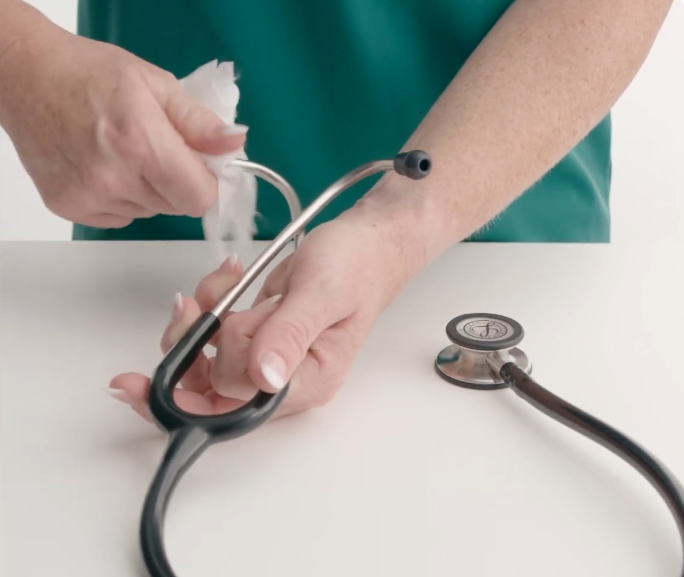
Recommended Cleaning Methods
Best practice is to clean your stethoscope between patients and at the end of each shift. Approved methods include:
- 70% isopropyl alcohol wipes
- Disposable wipes with mild soap and water
Using disposable wipes helps remove organic material and supports proper infection control.
Alcohol Wipes vs Soap & Water
Both methods are effective when used correctly:
70% Isopropyl Alcohol Wipes
- Fast and convenient between patients
- Effective for routine disinfection
- Widely used in clinical settings
Soap & Water
- Useful for visible debris
- Should be applied with disposable wipes
- Ensure all parts are fully dry before reuse
Avoid excessive moisture and never immerse the stethoscope in liquid.
When (and When Not) to Use Bleach
A 2% bleach solution may be used when higher-level disinfection is required. However, bleach should be used sparingly and only when necessary.
Important considerations:
- Bleach can cause discoloration of tubing, especially red or pink pigments
- Frequent bleach use may degrade materials over time
- Alcohol-based cleaning is preferred for routine care
Removing & Replacing Eartips Safely
The Classic III’s snap-tight, soft-sealing eartips can be removed for thorough cleaning.
To remove eartips:
- Pull firmly straight off the eartubes
To replace eartips:
- Push the small end of the eartip firmly onto the eartube
- Ensure it snaps fully into place
Proper attachment is important for both safety and acoustic performance.
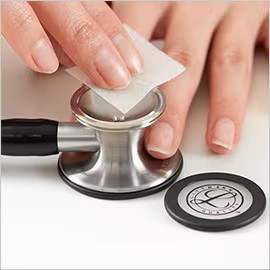
Cleaning the Diaphragm & Bell Sleeve
The tunable diaphragms and non-chill bell sleeve can also be removed for deeper cleaning.
- Ensure all parts are completely dry before reassembly
- Inspect diaphragms for cracks or wear
- Replace worn components as needed to maintain sound quality
Storage Best Practices
Proper storage helps prevent damage and prolongs the life of your stethoscope.
Recommended storage tips:
- Store at room temperature
- Avoid extreme heat
- Do not tightly coil tubing for long periods
- Hang or store loosely when not in use
Storing your stethoscope in a dedicated case provides an added layer of protection against impact, moisture, and debris. Cases designed for the Littmann Classic III Stethoscope help keep the binaurals flat, prevent unnecessary tubing stress, and offer organized space for accessories like spare eartips or penlights. This is especially useful for clinicians, students, and mobile healthcare professionals who carry their equipment between shifts, classes, or clinical settings.
Heat and prolonged tension can shorten tubing lifespan, so combining proper positioning with protective storage helps maintain both durability and acoustic performance over time.
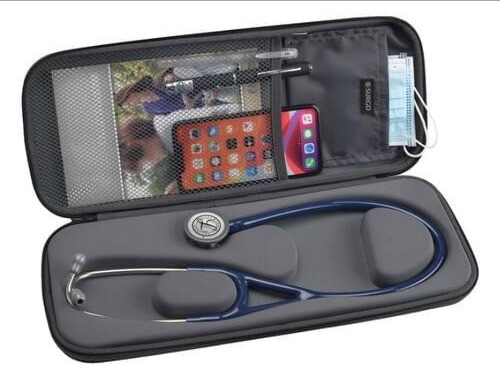
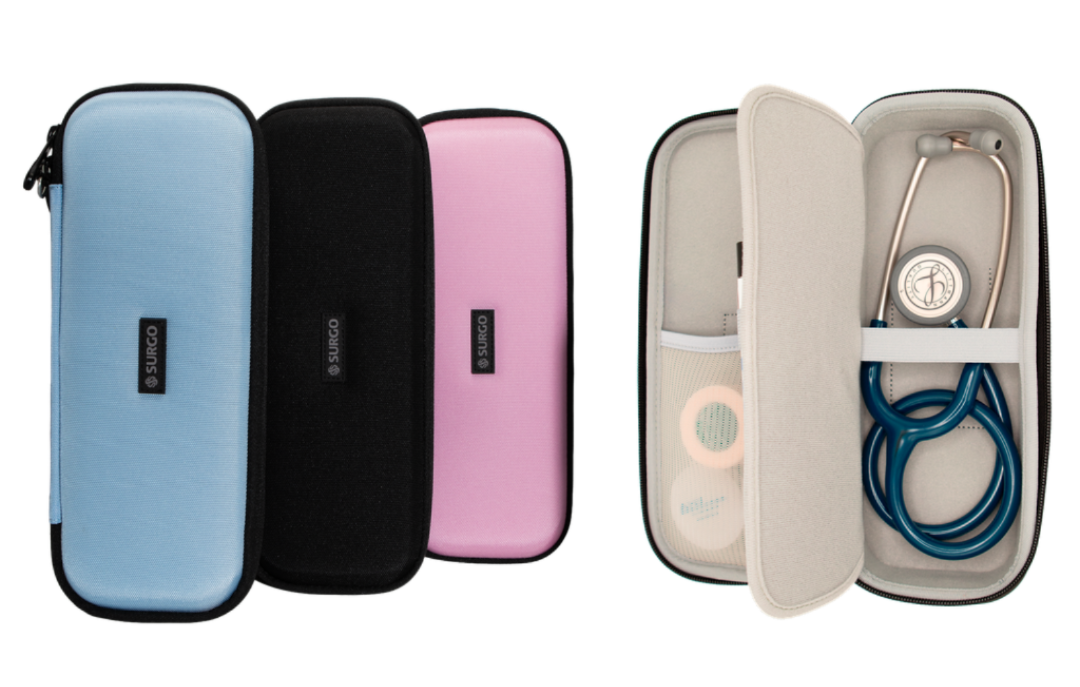
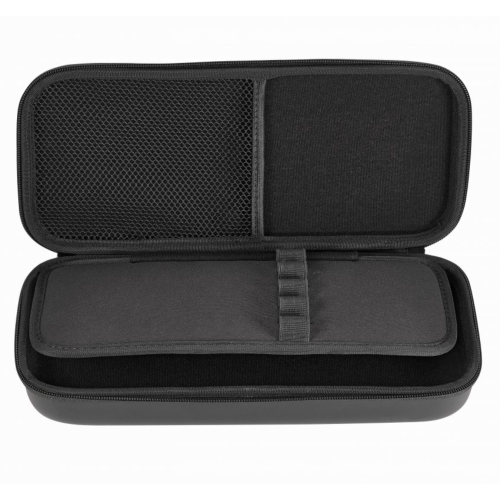
Browse our durable Stethoscope Cases for everyday protection and easy transport.
What to Avoid to Protect Tubing & Finish
To prevent damage to your Classic III, avoid the following:
- Do not immerse in liquid
- Do not autoclave or sterilize
- Do not expose to extreme heat
- Do not use harsh solvents or abrasive cleaners
These practices can permanently damage tubing, diaphragms, and finishes.
Maintaining Acoustic Performance Over Time
Regular inspection helps maintain sound quality. Periodically check:
- Eartips for cracks or looseness
- Diaphragms for wear or debris
- Tubing for stiffness or discoloration
Replacing small components when needed helps preserve optimal performance.
Why Proper Care Extends Stethoscope Lifespan
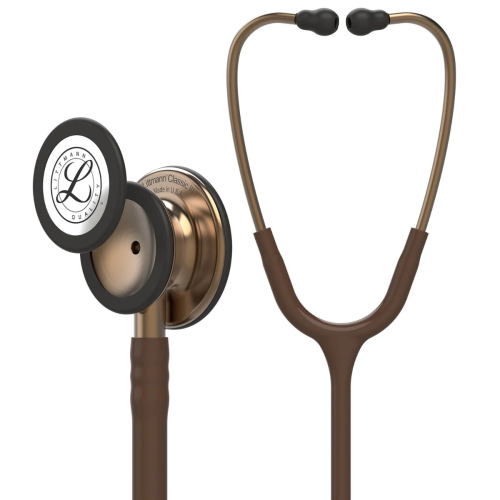
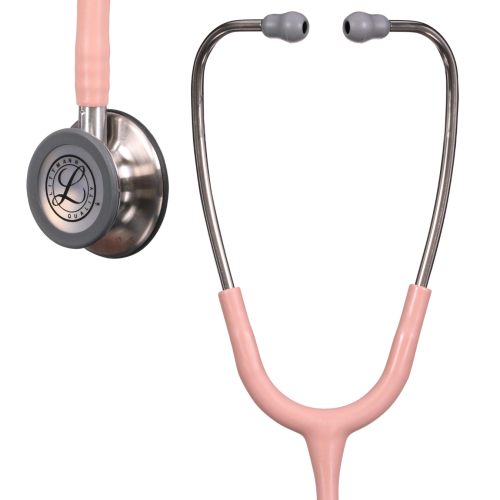
The Littmann Classic III is built with durable, next-generation tubing and high-quality materials. Proper care:
- Maintains acoustic clarity
- Reduces premature wear
- Supports consistent performance
- Protects your investment
Following recommended guidelines helps your stethoscope last well beyond daily clinical demands.
Why Buy Replacement Parts from SurgoMed?
SurgoMed offers:
- Authentic Littmann replacement eartips, diaphragms, and bell sleeves
- Compatible accessories designed for the Classic III
- Guidance on maintenance and care
- Genuine products that preserve performance and warranty integrity
Simple Care for Long-Term Reliability
Cleaning and caring for your Littmann Classic III doesn’t require complex steps—just consistent, proper habits. Regular disinfection, careful storage, and timely replacement of worn parts help ensure your stethoscope remains hygienic, comfortable, and acoustically reliable.
Explore Littmann Classic III stethoscopes and replacement accessories at SurgoMed to keep your clinical tools performing at their best.
Frequently Asked Questions
How do you clean a Littmann Classic III stethoscope?
Wipe down the entire stethoscope, including the chestpiece, tubing, and eartips, with a 70% isopropyl alcohol wipe between patients and at the end of each shift. For visible debris, use a disposable wipe with mild soap and water. Never immerse the stethoscope in liquid.
How often should I clean my Littmann Classic III?
Clean your Littmann Classic III between every patient contact and at the end of each clinical shift. Frequent cleaning supports infection control and prevents the buildup of organic material that can degrade components over time.
Can you use bleach on a Littmann Classic III stethoscope?
A 2% bleach solution can be used when higher-level disinfection is required, but it should not be used routinely. Bleach can discolour tubing, particularly red or pink variants, and frequent exposure degrades materials over time. Stick to 70% isopropyl alcohol wipes for everyday cleaning.
Can you use hand sanitizer to clean a stethoscope?
No. Most hand sanitizers contain moisturizers, fragrances, or additives that can break down stethoscope tubing over time. Always use 70% isopropyl alcohol wipes specifically intended for clinical equipment.
How do you remove and replace eartips on a Littmann Classic III?
To remove eartips, pull them firmly straight off the eartube. To replace them, push the small end of the new eartip firmly onto the eartube until it snaps securely into place. A proper snap-fit seal is essential for both comfort and sound quality.
How should you store a Littmann Classic III stethoscope?
Store your stethoscope at room temperature, hanging loosely or laid flat. Avoid coiling the tubing tightly for extended periods, as this causes stress and cracking. Keep it away from direct heat sources, including hot cars and radiators.
How long does a Littmann Classic III last?
With proper cleaning, careful storage, and timely replacement of worn components like eartips and diaphragms, a Littmann Classic III can reliably perform for many years of daily clinical use. Neglecting care, especially exposure to heat or harsh chemicals, significantly shortens its lifespan.
Where can I buy replacement parts for a Littmann Classic III stethoscope?
SurgoMed stocks authentic Littmann replacement components for the Classic III, including eartips, diaphragms, and bell sleeves. Using genuine parts ensures a correct fit, maintains acoustic performance, and preserves warranty integrity.




Proper Care Protects Performance and Patient Safety
A stethoscope is one of the most frequently used, and most frequently touched, clinical tools. Regular cleaning and proper care are essential not only for infection control, but also for preserving acoustic performance and extending the life of the device.
The Littmann Classic III Stethoscope is designed to withstand daily clinical use, but following recommended cleaning and storage practices helps ensure it continues to perform reliably for years.
This guide outlines how to properly clean, disinfect, and care for your Classic III stethoscope.
Recommended Cleaning Methods
Best practice is to clean your stethoscope between patients and at the end of each shift. Approved methods include:
- 70% isopropyl alcohol wipes
- Disposable wipes with mild soap and water
Using disposable wipes helps remove organic material and supports proper infection control.
Alcohol Wipes vs Soap & Water
Both methods are effective when used correctly:
70% Isopropyl Alcohol Wipes
- Fast and convenient between patients
- Effective for routine disinfection
- Widely used in clinical settings
Soap & Water
- Useful for visible debris
- Should be applied with disposable wipes
- Ensure all parts are fully dry before reuse
Avoid excessive moisture and never immerse the stethoscope in liquid.
When (and When Not) to Use Bleach
A 2% bleach solution may be used when higher-level disinfection is required. However, bleach should be used sparingly and only when necessary.
Important considerations:
- Bleach can cause discoloration of tubing, especially red or pink pigments
- Frequent bleach use may degrade materials over time
- Alcohol-based cleaning is preferred for routine care
Removing & Replacing Eartips Safely
The Classic III’s snap-tight, soft-sealing eartips can be removed for thorough cleaning.
To remove eartips:
- Pull firmly straight off the eartubes
To replace eartips:
- Push the small end of the eartip firmly onto the eartube
- Ensure it snaps fully into place
Proper attachment is important for both safety and acoustic performance.
Cleaning the Diaphragm & Bell Sleeve
The tunable diaphragms and non-chill bell sleeve can also be removed for deeper cleaning.
- Ensure all parts are completely dry before reassembly
- Inspect diaphragms for cracks or wear
- Replace worn components as needed to maintain sound quality
Storage Best Practices
Proper storage helps prevent damage and prolongs the life of your stethoscope.
Recommended storage tips:
- Store at room temperature
- Avoid extreme heat
- Do not tightly coil tubing for long periods
- Hang or store loosely when not in use
Storing your stethoscope in a dedicated case provides an added layer of protection against impact, moisture, and debris. Cases designed for the Littmann Classic III Stethoscope help keep the binaurals flat, prevent unnecessary tubing stress, and offer organized space for accessories like spare eartips or penlights. This is especially useful for clinicians, students, and mobile healthcare professionals who carry their equipment between shifts, classes, or clinical settings.
Heat and prolonged tension can shorten tubing lifespan, so combining proper positioning with protective storage helps maintain both durability and acoustic performance over time.
Browse our durable Stethoscope Cases for everyday protection and easy transport.
What to Avoid to Protect Tubing & Finish
To prevent damage to your Classic III, avoid the following:
- Do not immerse in liquid
- Do not autoclave or sterilize
- Do not expose to extreme heat
- Do not use harsh solvents or abrasive cleaners
These practices can permanently damage tubing, diaphragms, and finishes.
Maintaining Acoustic Performance Over Time
Regular inspection helps maintain sound quality. Periodically check:
- Eartips for cracks or looseness
- Diaphragms for wear or debris
- Tubing for stiffness or discoloration
Replacing small components when needed helps preserve optimal performance.
Why Proper Care Extends Stethoscope Lifespan
The Littmann Classic III is built with durable, next-generation tubing and high-quality materials. Proper care:
- Maintains acoustic clarity
- Reduces premature wear
- Supports consistent performance
- Protects your investment
Following recommended guidelines helps your stethoscope last well beyond daily clinical demands.
Why Buy Replacement Parts from SurgoMed?
SurgoMed offers:
- Authentic Littmann replacement eartips, diaphragms, and bell sleeves
- Compatible accessories designed for the Classic III
- Guidance on maintenance and care
- Genuine products that preserve performance and warranty integrity
Simple Care for Long-Term Reliability
Cleaning and caring for your Littmann Classic III doesn’t require complex steps—just consistent, proper habits. Regular disinfection, careful storage, and timely replacement of worn parts help ensure your stethoscope remains hygienic, comfortable, and acoustically reliable.
Explore Littmann Classic III stethoscopes and replacement accessories at SurgoMed to keep your clinical tools performing at their best.
Frequently Asked Questions
How do you clean a Littmann Classic III stethoscope?
Wipe down the entire stethoscope, including the chestpiece, tubing, and eartips, with a 70% isopropyl alcohol wipe between patients and at the end of each shift. For visible debris, use a disposable wipe with mild soap and water. Never immerse the stethoscope in liquid.
How often should I clean my Littmann Classic III?
Clean your Littmann Classic III between every patient contact and at the end of each clinical shift. Frequent cleaning supports infection control and prevents the buildup of organic material that can degrade components over time.
Can you use bleach on a Littmann Classic III stethoscope?
A 2% bleach solution can be used when higher-level disinfection is required, but it should not be used routinely. Bleach can discolour tubing, particularly red or pink variants, and frequent exposure degrades materials over time. Stick to 70% isopropyl alcohol wipes for everyday cleaning.
Can you use hand sanitizer to clean a stethoscope?
No. Most hand sanitizers contain moisturizers, fragrances, or additives that can break down stethoscope tubing over time. Always use 70% isopropyl alcohol wipes specifically intended for clinical equipment.
How do you remove and replace eartips on a Littmann Classic III?
To remove eartips, pull them firmly straight off the eartube. To replace them, push the small end of the new eartip firmly onto the eartube until it snaps securely into place. A proper snap-fit seal is essential for both comfort and sound quality.
How should you store a Littmann Classic III stethoscope?
Store your stethoscope at room temperature, hanging loosely or laid flat. Avoid coiling the tubing tightly for extended periods, as this causes stress and cracking. Keep it away from direct heat sources, including hot cars and radiators.
How long does a Littmann Classic III last?
With proper cleaning, careful storage, and timely replacement of worn components like eartips and diaphragms, a Littmann Classic III can reliably perform for many years of daily clinical use. Neglecting care, especially exposure to heat or harsh chemicals, significantly shortens its lifespan.
Where can I buy replacement parts for a Littmann Classic III stethoscope?
SurgoMed stocks authentic Littmann replacement components for the Classic III, including eartips, diaphragms, and bell sleeves. Using genuine parts ensures a correct fit, maintains acoustic performance, and preserves warranty integrity.
