
How to Clean and Maintain a Littmann Classic II Pediatric or Infant Stethoscope
Quick Answer
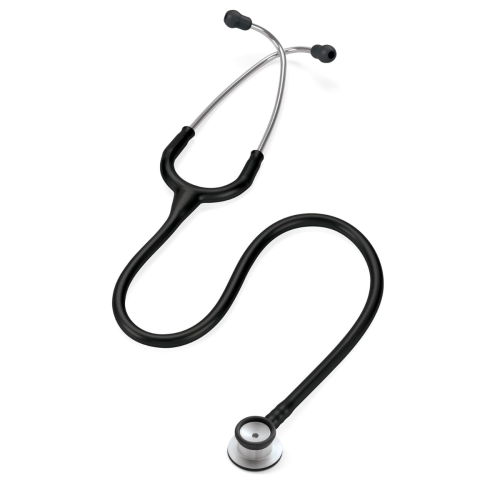
To clean a Littmann Classic II Pediatric or Infant Stethoscope, wipe the diaphragm, bell, tubing, and eartips with a 70% isopropyl alcohol wipe between patients. For deeper cleaning, use mild soap and water, dry all components thoroughly, and avoid immersion, bleach, or harsh solvents that may damage the tubing or chestpiece.
Hygiene Is Essential in Pediatric & Neonatal Care
In pediatric and neonatal environments, infection prevention is critical. Stethoscopes come into direct contact with multiple patients throughout the day, making proper cleaning and maintenance essential for patient safety, clinician confidence, and long-term device performance.
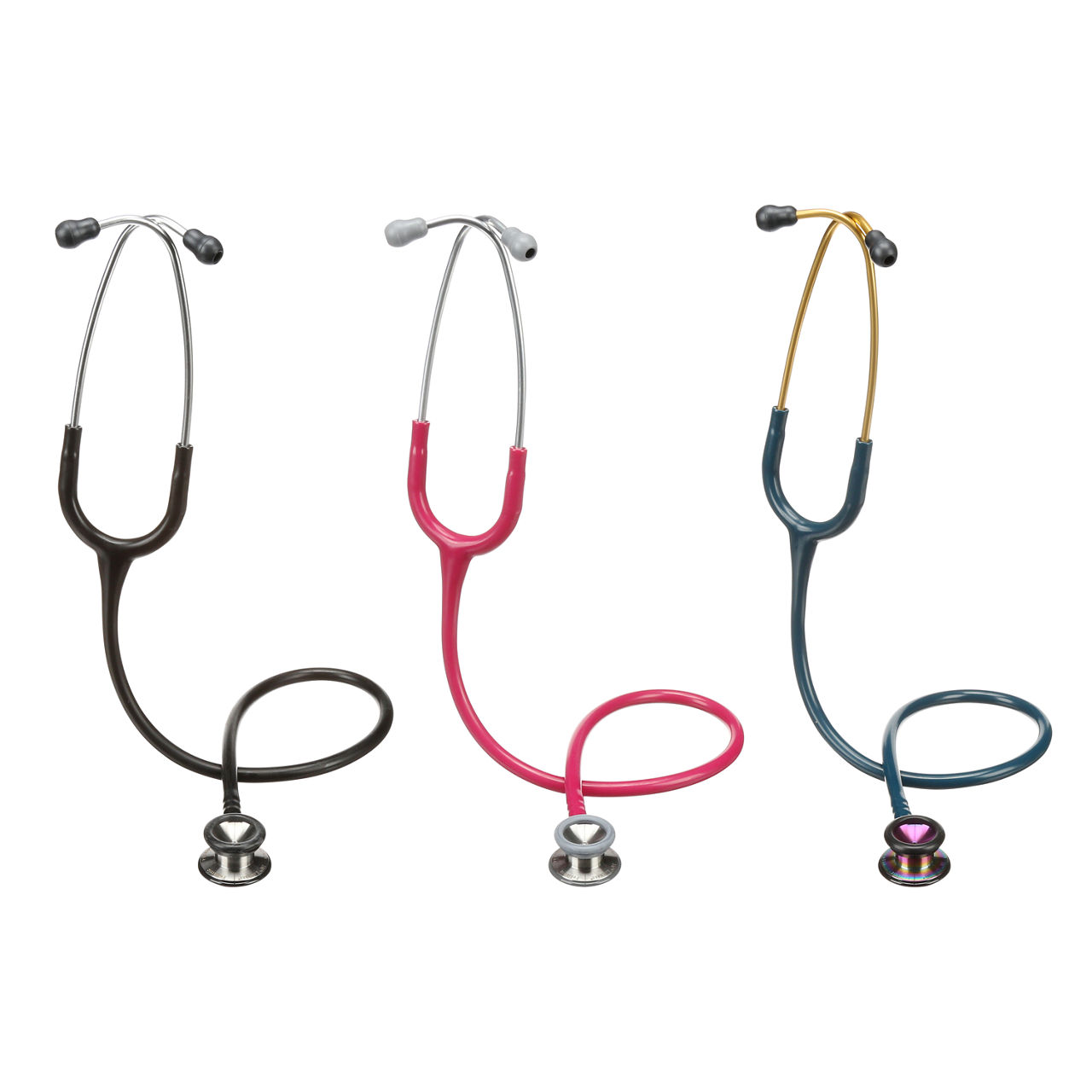
The Littmann Classic II Pediatric & Infant Stethoscopes are designed to withstand frequent cleaning while maintaining acoustic sensitivity, making them well suited for busy pediatric clinics, NICUs, and hospital settings.
Step-by-Step: How to Clean a Littmann Pediatric or Infant Stethoscope
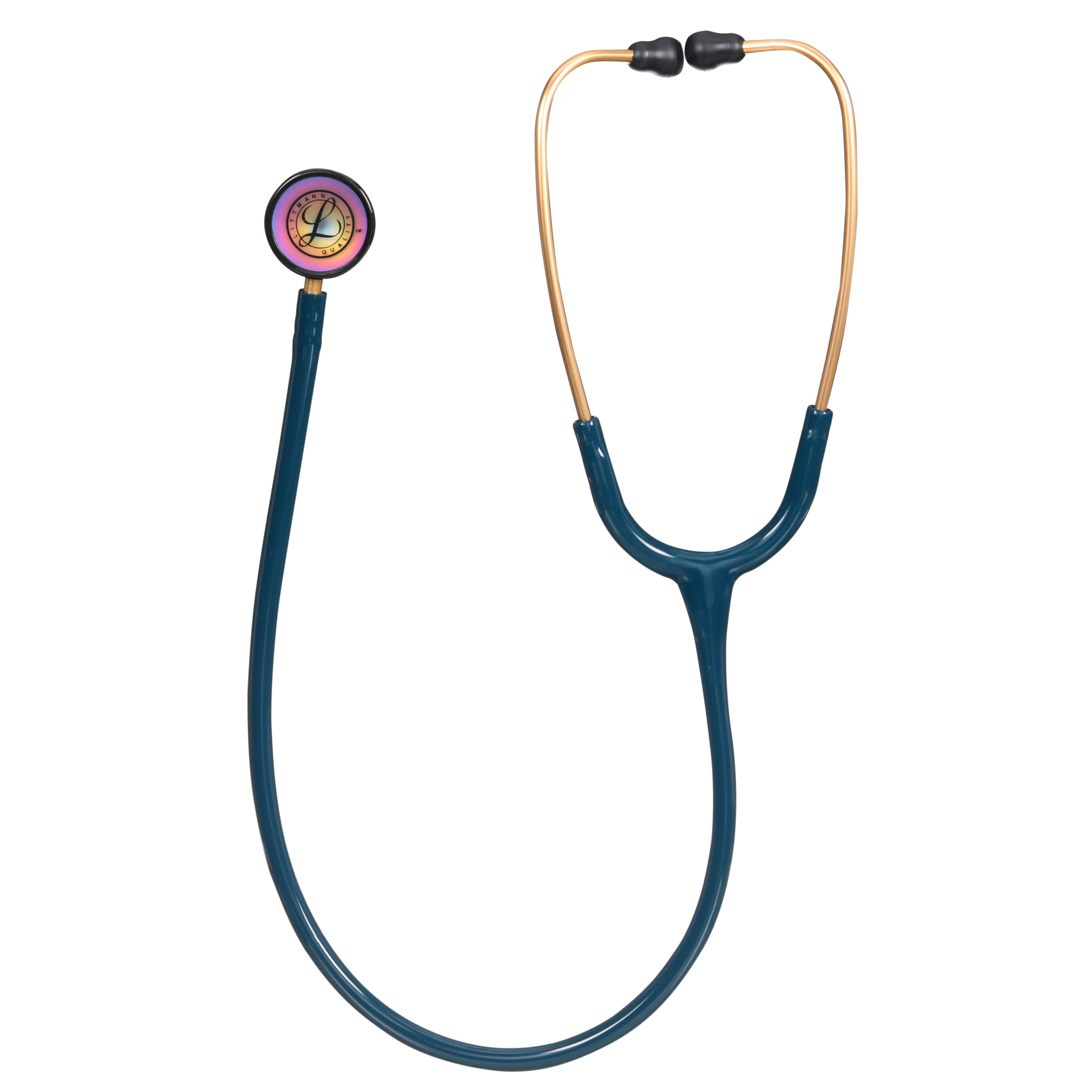
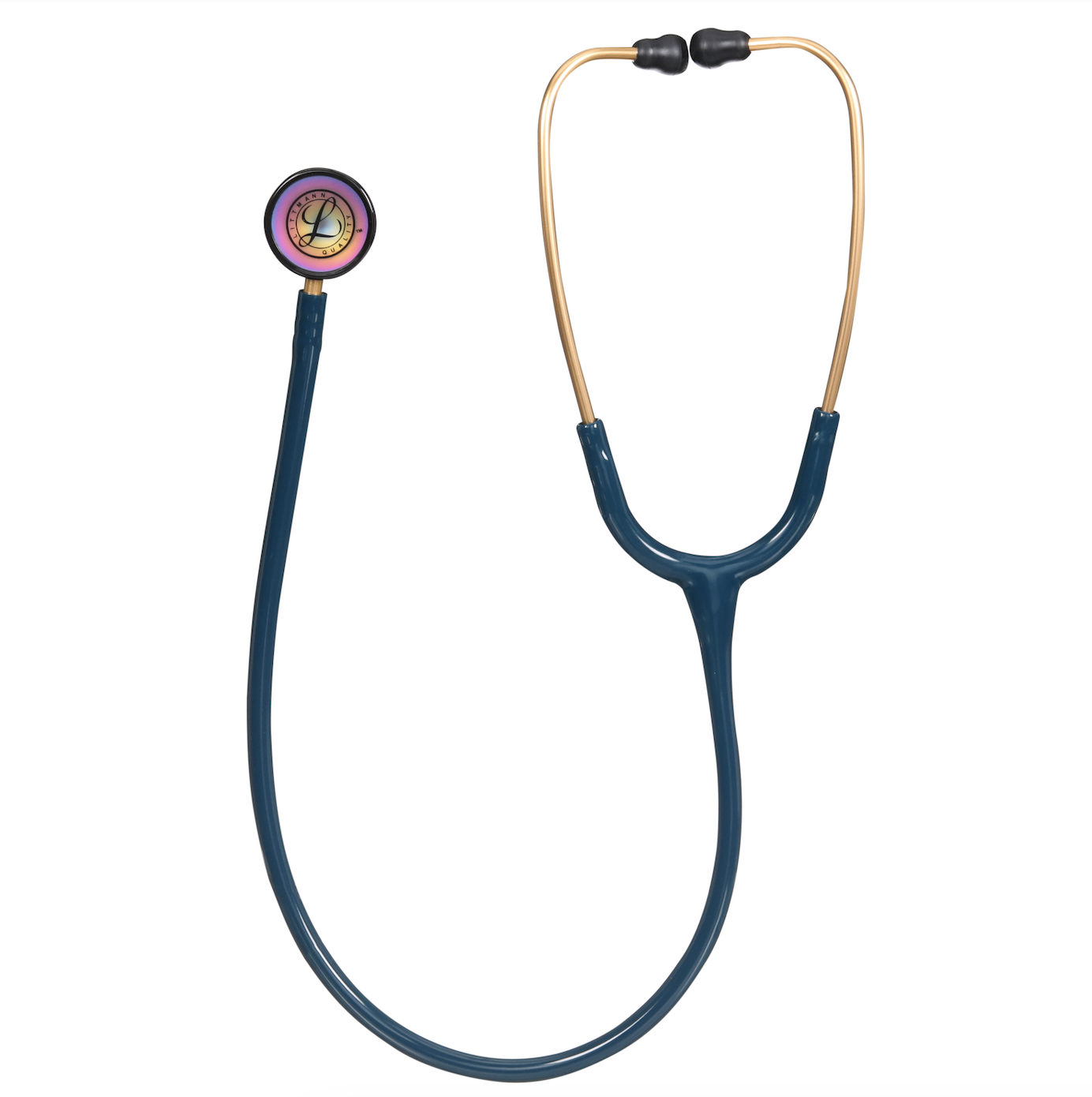
- Wipe the diaphragm and bell with a 70% isopropyl alcohol wipe.
- Clean the tubing and rim to remove skin oils or debris.
- Remove and clean eartips using alcohol or mild soapy water.
- Dry all components thoroughly before using the stethoscope again.
- Allow surfaces to air dry to ensure proper disinfection.
Following these steps between patients helps reduce cross-contamination while preserving the stethoscope’s acoustic performance.
Cleaning Between Pediatric Patients
Best practice is to clean your stethoscope between each patient, particularly in pediatric and neonatal care where patients may be immunocompromised or highly vulnerable.
Routine cleaning should focus on:
- The diaphragm and bell surfaces
- The rim and chestpiece edges
- Eartips and headset areas that contact skin
Quick, consistent cleaning helps reduce the risk of cross-contamination without interrupting workflow.
Alcohol Wipes vs Soap & Water
Both alcohol wipes and mild soap-and-water cleaning are appropriate for the Classic II Pediatric and Infant Stethoscopes.
70% isopropyl alcohol wipes are ideal for quick disinfection between patients and during rounds. They effectively remove organic material and disinfect contact surfaces without damaging the stethoscope.
Soap and water can be used for deeper cleaning when visible debris is present. After washing, all components should be dried thoroughly before reassembly or use.
Cleaning the Bell & Diaphragm
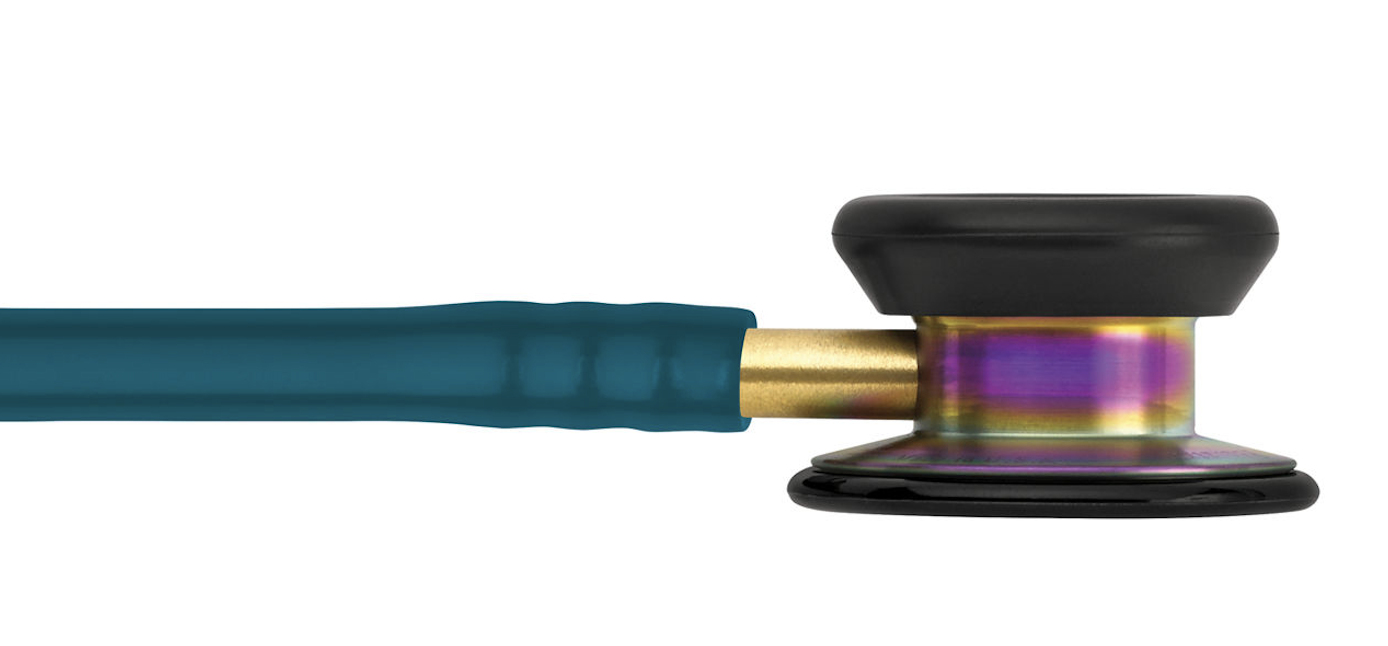
The diaphragm and bell may be removed periodically for more thorough cleaning. This is especially helpful in NICU and pediatric settings where meticulous hygiene is required.
When cleaning removable parts:
- Use alcohol or mild soapy water
- Avoid abrasive cleaners or harsh chemicals
- Ensure all components are completely dry before reassembly
Proper care helps preserve acoustic performance and extend the life of the stethoscope.
Eartip Removal & Cleaning
Eartips can be removed from the headset for cleaning. Pull firmly to remove them, and push securely until they snap back into place after cleaning.
Clean eartips regularly to maintain hygiene and ensure a proper acoustic seal. Using the correct size eartips also helps optimize sound quality and comfort.
What to Avoid During Cleaning
To protect your stethoscope and preserve its materials:
- Do not immerse the stethoscope in liquid
- Do not subject it to steam sterilization
- Avoid prolonged or repeated use of bleach solutions
- Avoid harsh solvents or excessive heat
While bleach may be used in rare situations, it should be limited, as it can cause discoloration or material degradation over time.
Storage Best Practices
Proper storage also plays a role in maintaining stethoscope performance. When not in use:
- Store the stethoscope at room temperature
- Avoid extreme heat or cold
- Do not tightly wrap tubing around sharp objects
- Keep it away from direct sunlight for extended periods
These practices help preserve tubing flexibility and prevent premature wear.
Designed to Withstand Frequent Cleaning
The Classic II Pediatric & Infant stethoscopes feature next-generation tubing that resists skin oils and alcohol, making them well suited for environments that require frequent disinfection. Their durable construction supports daily use without compromising sound quality or comfort.
Proper Care Protects Patients & Performance
Regular cleaning and proper maintenance are essential for safe and effective pediatric auscultation. By following recommended care practices, clinicians can protect both their patients and their equipment.
Explore Littmann Classic II Pediatric & Infant Stethoscopes at SurgoMed and equip your practice with tools designed for hygiene, durability, and reliable pediatric performance.
FAQ’s
How Often Should a Stethoscope Be Cleaned?
In clinical settings, stethoscopes should be cleaned between every patient. In pediatric and neonatal environments where patients may be immunocompromised, consistent disinfection is particularly important to prevent cross-contamination.
Can You Use Alcohol Wipes on a Littmann Stethoscope?
Yes. 70% isopropyl alcohol wipes are commonly recommended for cleaning Littmann stethoscopes. They effectively disinfect the diaphragm, bell, and tubing without damaging the materials when used during routine cleaning.
How Do You Clean a Littmann Pediatric or Infant Stethoscope?
To clean a Littmann Classic II Pediatric or Infant Stethoscope, wipe the diaphragm, bell, tubing, and eartips with a 70% isopropyl alcohol wipe between patients. For deeper cleaning, use mild soap and water, then dry all components thoroughly before reassembling. Avoid immersing the stethoscope in liquid or using harsh chemicals that could damage the tubing or chestpiece.
Can You Wash a Stethoscope With Soap and Water?
Yes. Mild soap and water can be used for deeper cleaning when visible debris is present. After washing, rinse lightly if needed and ensure all parts are completely dry before use. Routine disinfection between patients is typically done using alcohol wipes for faster turnaround.
Can You Remove the Diaphragm on a Littmann Pediatric or Infant Stethoscope?
Yes. The diaphragm can be removed periodically to allow for more thorough cleaning of the chestpiece. Carefully remove the diaphragm and rim, clean them using alcohol or mild soapy water, and ensure all components are fully dry before reassembling.
What Cleaning Products Should Not Be Used on a Stethoscope?
Avoid using harsh solvents, abrasive cleaners, or prolonged bleach exposure when cleaning a stethoscope. These chemicals can damage tubing, cause discoloration, or reduce the lifespan of the device. Alcohol wipes or mild soap and water are generally the safest options for routine cleaning.
Can Bleach Be Used to Clean a Stethoscope?
Bleach solutions may be used in certain infection-control situations, but they should be used sparingly. Frequent exposure to bleach can degrade tubing materials and cause discoloration. Alcohol-based disinfectant wipes are usually preferred for routine cleaning.
Why Is Cleaning a Stethoscope Important in Pediatric Care?
Pediatric and neonatal patients may have weaker or developing immune systems, making infection prevention especially important. Regular stethoscope cleaning helps reduce the risk of cross-contamination between patients and supports safer clinical environments.
Do Stethoscope Eartips Need to Be Cleaned?
Yes. Eartips should be cleaned regularly because they come into contact with the clinician’s ears and skin. They can be removed from the headset, cleaned with alcohol or mild soap and water, and securely reattached once dry.
How Should a Stethoscope Be Stored After Cleaning?
After cleaning, allow the stethoscope to air dry completely before storing it. Store the device at room temperature, avoid extreme heat or cold, and do not tightly wrap the tubing around sharp objects to prevent damage.

Quick Answer
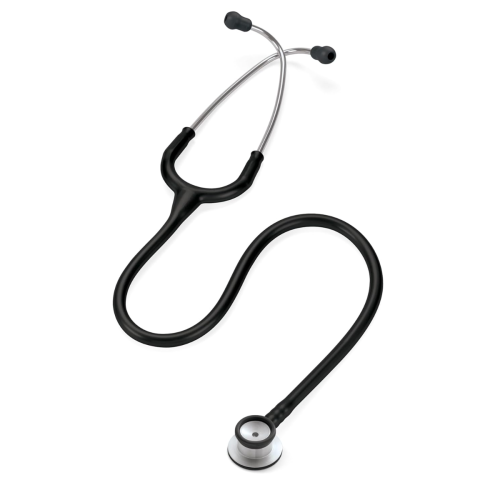
To clean a Littmann Classic II Pediatric or Infant Stethoscope, wipe the diaphragm, bell, tubing, and eartips with a 70% isopropyl alcohol wipe between patients. For deeper cleaning, use mild soap and water, dry all components thoroughly, and avoid immersion, bleach, or harsh solvents that may damage the tubing or chestpiece.
Hygiene Is Essential in Pediatric & Neonatal Care
In pediatric and neonatal environments, infection prevention is critical. Stethoscopes come into direct contact with multiple patients throughout the day, making proper cleaning and maintenance essential for patient safety, clinician confidence, and long-term device performance.
The Littmann Classic II Pediatric & Infant Stethoscopes are designed to withstand frequent cleaning while maintaining acoustic sensitivity, making them well suited for busy pediatric clinics, NICUs, and hospital settings.
Step-by-Step: How to Clean a Littmann Pediatric or Infant Stethoscope
- Wipe the diaphragm and bell with a 70% isopropyl alcohol wipe.
- Clean the tubing and rim to remove skin oils or debris.
- Remove and clean eartips using alcohol or mild soapy water.
- Dry all components thoroughly before using the stethoscope again.
- Allow surfaces to air dry to ensure proper disinfection.
Following these steps between patients helps reduce cross-contamination while preserving the stethoscope’s acoustic performance.
Cleaning Between Pediatric Patients
Best practice is to clean your stethoscope between each patient, particularly in pediatric and neonatal care where patients may be immunocompromised or highly vulnerable.
Routine cleaning should focus on:
- The diaphragm and bell surfaces
- The rim and chestpiece edges
- Eartips and headset areas that contact skin
Quick, consistent cleaning helps reduce the risk of cross-contamination without interrupting workflow.
Alcohol Wipes vs Soap & Water
Both alcohol wipes and mild soap-and-water cleaning are appropriate for the Classic II Pediatric and Infant Stethoscopes.
70% isopropyl alcohol wipes are ideal for quick disinfection between patients and during rounds. They effectively remove organic material and disinfect contact surfaces without damaging the stethoscope.
Soap and water can be used for deeper cleaning when visible debris is present. After washing, all components should be dried thoroughly before reassembly or use.
Cleaning the Bell & Diaphragm
The diaphragm and bell may be removed periodically for more thorough cleaning. This is especially helpful in NICU and pediatric settings where meticulous hygiene is required.
When cleaning removable parts:
- Use alcohol or mild soapy water
- Avoid abrasive cleaners or harsh chemicals
- Ensure all components are completely dry before reassembly
Proper care helps preserve acoustic performance and extend the life of the stethoscope.
Eartip Removal & Cleaning
Eartips can be removed from the headset for cleaning. Pull firmly to remove them, and push securely until they snap back into place after cleaning.
Clean eartips regularly to maintain hygiene and ensure a proper acoustic seal. Using the correct size eartips also helps optimize sound quality and comfort.
What to Avoid During Cleaning
To protect your stethoscope and preserve its materials:
- Do not immerse the stethoscope in liquid
- Do not subject it to steam sterilization
- Avoid prolonged or repeated use of bleach solutions
- Avoid harsh solvents or excessive heat
While bleach may be used in rare situations, it should be limited, as it can cause discoloration or material degradation over time.
Storage Best Practices
Proper storage also plays a role in maintaining stethoscope performance. When not in use:
- Store the stethoscope at room temperature
- Avoid extreme heat or cold
- Do not tightly wrap tubing around sharp objects
- Keep it away from direct sunlight for extended periods
These practices help preserve tubing flexibility and prevent premature wear.
Designed to Withstand Frequent Cleaning
The Classic II Pediatric & Infant stethoscopes feature next-generation tubing that resists skin oils and alcohol, making them well suited for environments that require frequent disinfection. Their durable construction supports daily use without compromising sound quality or comfort.
Proper Care Protects Patients & Performance
Regular cleaning and proper maintenance are essential for safe and effective pediatric auscultation. By following recommended care practices, clinicians can protect both their patients and their equipment.
Explore Littmann Classic II Pediatric & Infant Stethoscopes at SurgoMed and equip your practice with tools designed for hygiene, durability, and reliable pediatric performance.
FAQ’s
How Often Should a Stethoscope Be Cleaned?
In clinical settings, stethoscopes should be cleaned between every patient. In pediatric and neonatal environments where patients may be immunocompromised, consistent disinfection is particularly important to prevent cross-contamination.
Can You Use Alcohol Wipes on a Littmann Stethoscope?
Yes. 70% isopropyl alcohol wipes are commonly recommended for cleaning Littmann stethoscopes. They effectively disinfect the diaphragm, bell, and tubing without damaging the materials when used during routine cleaning.
How Do You Clean a Littmann Pediatric or Infant Stethoscope?
To clean a Littmann Classic II Pediatric or Infant Stethoscope, wipe the diaphragm, bell, tubing, and eartips with a 70% isopropyl alcohol wipe between patients. For deeper cleaning, use mild soap and water, then dry all components thoroughly before reassembling. Avoid immersing the stethoscope in liquid or using harsh chemicals that could damage the tubing or chestpiece.
Can You Wash a Stethoscope With Soap and Water?
Yes. Mild soap and water can be used for deeper cleaning when visible debris is present. After washing, rinse lightly if needed and ensure all parts are completely dry before use. Routine disinfection between patients is typically done using alcohol wipes for faster turnaround.
Can You Remove the Diaphragm on a Littmann Pediatric or Infant Stethoscope?
Yes. The diaphragm can be removed periodically to allow for more thorough cleaning of the chestpiece. Carefully remove the diaphragm and rim, clean them using alcohol or mild soapy water, and ensure all components are fully dry before reassembling.
What Cleaning Products Should Not Be Used on a Stethoscope?
Avoid using harsh solvents, abrasive cleaners, or prolonged bleach exposure when cleaning a stethoscope. These chemicals can damage tubing, cause discoloration, or reduce the lifespan of the device. Alcohol wipes or mild soap and water are generally the safest options for routine cleaning.
Can Bleach Be Used to Clean a Stethoscope?
Bleach solutions may be used in certain infection-control situations, but they should be used sparingly. Frequent exposure to bleach can degrade tubing materials and cause discoloration. Alcohol-based disinfectant wipes are usually preferred for routine cleaning.
Why Is Cleaning a Stethoscope Important in Pediatric Care?
Pediatric and neonatal patients may have weaker or developing immune systems, making infection prevention especially important. Regular stethoscope cleaning helps reduce the risk of cross-contamination between patients and supports safer clinical environments.
Do Stethoscope Eartips Need to Be Cleaned?
Yes. Eartips should be cleaned regularly because they come into contact with the clinician’s ears and skin. They can be removed from the headset, cleaned with alcohol or mild soap and water, and securely reattached once dry.
How Should a Stethoscope Be Stored After Cleaning?
After cleaning, allow the stethoscope to air dry completely before storing it. Store the device at room temperature, avoid extreme heat or cold, and do not tightly wrap the tubing around sharp objects to prevent damage.
