

Why Nurses Need a Reliable Everyday Stethoscope
Nurses rely on their stethoscope constantly, often dozens of times per shift. From assessing breath sounds and heart rate to measuring blood pressure and monitoring patient changes, clear and consistent auscultation is essential to safe, effective nursing care.
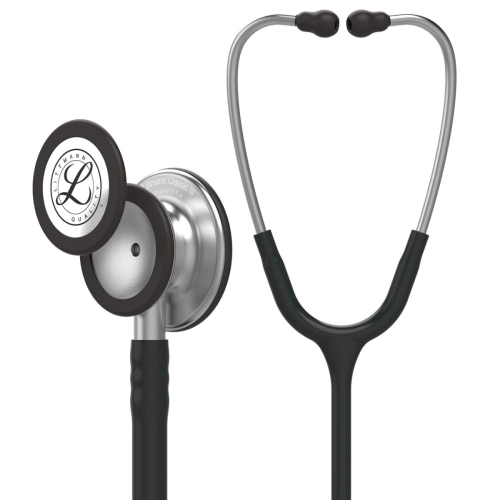
The Littmann Classic III Stethoscope is a popular choice among RNs and LPNs because it delivers reliable acoustic performance, all-day comfort, and long-term durability without unnecessary complexity. It’s built for realities of nursing practice in busy clinical environments.
This guide explains why the Classic III continues to be one of the most trusted stethoscopes for nurses across a wide range of care settings.
Daily Assessment Needs in Nursing Practice
Nursing assessments are frequent, time-sensitive, and critical to patient outcomes. Nurses use their stethoscope to:
- Assess heart and lung sounds
- Monitor changes in respiratory status
- Measure blood pressure accurately
- Identify early signs of patient deterioration
The Classic III provides the clarity nurses need to perform these assessments confidently throughout their shift.
The Reality of Nursing Auscultation: Time Constraints and Priorities
Typical Nursing Assessment Scenarios:
Med-Surg floor with 5-6 patients:
- Quick lung assessment post-op or with respiratory concerns
- Heart rate and rhythm checks
- Blood pressure measurements throughout shift
- Frequent brief reassessments when status changes
Critical care with 1-2 patients:
- More detailed cardiac and pulmonary assessments
- Frequent monitoring of subtle changes
- Serial examinations tracking progression
- Often supplemented by continuous monitoring equipment
Long-term care:
- Routine vital signs and basic assessments
- Monitoring chronic respiratory conditions
- Detecting early changes in stable residents
- Often in challenging acoustic environments (shared rooms, dining areas)
Outpatient/clinic:
- Brief focused assessments during visits
- Blood pressure measurements
- Pre-procedure screening
- Generally quieter environments than hospital
Time Pressure Reality:
Honest truth: Most nursing auscultation is brief and focused, not lengthy detailed examinations. You often have 30-60 seconds for lung sounds, not 5 minutes.
What matters:
- Hearing clearly enough to detect abnormalities quickly
- Reliable blood pressure measurements
- Identifying changes from baseline
- Knowing when to escalate to physician
The Classic III supports efficient assessment by providing clear sound quality during these brief encounters, helping you catch important changes despite time constraints.
Clear Heart & Lung Sounds in Busy Environments
Hospital wards, long-term care facilities, and clinics are rarely quiet. Background noise can make auscultation challenging, especially with basic stethoscopes.
The Classic III’s high acoustic sensitivity helps nurses hear:
- Normal and abnormal breath sounds
- Subtle changes in airflow
- Heart sounds and rhythms
- Korotkoff sounds during BP checks
This clarity supports more accurate assessments even in moderately noisy environments.
Comfort for Long Shifts & Repeated Assessments
Nurses often wear their stethoscope for hours at a time. The Classic III is designed with comfort in mind, featuring:
- Snap-tight, soft-sealing eartips for a secure yet comfortable fit
- Adjustable headset tension to suit individual head size
- Smooth, patient-friendly chestpiece surfaces
These features help reduce listening fatigue during long shifts and repeated use.
Lightweight Design for Neck & Shoulder Comfort
The Classic III weighs less than many comparable stethoscopes, making it comfortable to wear around the neck or carry in a pocket. This lightweight design is especially important for nurses who are constantly on the move and performing frequent assessments.

Easy Cleaning Between Patients
Infection control is a top priority in nursing care. The Classic III is easy to clean between patients using approved methods such as:
- 70% isopropyl alcohol wipes
- Mild soap and water with disposable wipes
Its smooth diaphragm surfaces and removable eartips support thorough cleaning without compromising performance.
Adult & Pediatric Versatility in Nursing Care
Many nurses care for patients of different ages during a single shift. The Classic III’s dual-sided chestpiece allows:
- Adult assessments on the larger diaphragm
- Pediatric assessments on the smaller side
- Optional open-bell use with the included non-chill sleeve
This versatility makes it a practical single-stethoscope solution for many nursing roles.
Why Nurses Trust the Classic III
Nurses continue to choose the Classic III because it offers:
- Consistent, dependable sound quality
- Comfort during long and demanding shifts
- Durability for daily clinical use
- A balance of professional performance and value
It’s a stethoscope designed to support nurses in delivering high-quality patient care every day.
Classic III vs. Cardiology IV: Which Do Nurses Actually Need?
The Cardiology IV costs more than the Classic III but offers enhanced acoustic performance. Is the upgrade worth it for nursing practice?
Choose Classic III If:
✓ You work in med-surg, LTC, clinic, or general hospital units
✓ You perform mostly routine cardiac and lung assessments
✓ You're not frequently assessing subtle cardiac findings
✓ Budget considerations matter
✓ You want excellent performance without premium features you won't regularly use
✓ You need adult/pediatric versatility
For 80-90% of nursing roles, the Classic III provides completely adequate acoustic performance.
Consider Cardiology IV If:
✓ You work in ICU, CCU, cardiac step-down, or ED
✓ You frequently assess subtle heart murmurs or gallops
✓ You work closely with cardiologists who rely on your detailed assessments
✓ You're in advanced practice (NP, CNS) with expanded assessment responsibilities
✓ Enhanced low-frequency cardiac sound detection matters regularly in your role
The Honest Nursing Assessment:
Most RNs and LPNs in general practice settings: Classic III is ideal—clear acoustics for routine assessments at better value
Critical care and cardiac nurses: Cardiology IV offers advantages for frequent detailed cardiac assessment
Advanced practice nurses (NPs, CNSs): Consider Cardiology IV if cardiac assessment is significant part of practice; Classic III sufficient for general primary care
New graduate nurses: Start with Classic III; reassess based on specialty after 1-2 years of practice
Bottom line: Don't overspend on features you won't use regularly. The Classic III handles the vast majority of nursing assessments confidently.
Who the Classic III Is Best Suited For in Nursing
The Classic III is an excellent choice for:
- Registered Nurses (RNs)
- Licensed Practical Nurses (LPNs)
- Clinic and outpatient nurses
- Long-term care and rehabilitation nurses
- Home care and community nurses
When Nurses Should Consider Alternative Stethoscope Models
Littmann Cardiology IV - For Critical Care and Cardiac Nursing:
Best suited for:
- ICU, CCU, CVICU nurses
- Emergency department nurses
- Cardiac step-down and telemetry units
- Advanced practice nurses with cardiac focus
- Nurses working closely with cardiologists
Advantages over Classic III:
- Enhanced low-frequency cardiac sound detection
- Better performance in noisy critical care environments
- Improved acoustic sensitivity for subtle findings
Trade-offs:
- Higher cost
- Slightly heavier
- Not necessary for general nursing practice
Littmann CORE Digital Stethoscope - For Specific Situations:
Consider if you:
- Have documented hearing loss requiring amplification
- Work in extremely noisy environments consistently
- Need recording capabilities for documentation or consultation
- Are involved in telemedicine or remote monitoring programs
Reality for most nurses: The added cost and battery management aren't worth it unless you have specific need for digital features.
Neonatal Stethoscopes - For NICU and Nursery:
Required for:
- NICU nurses
- Special care nursery staff
- Nurses working exclusively with premature infants
Why Classic III isn't ideal: Adult/pediatric diaphragm too large for tiny neonates; specialized neonatal models provide better acoustic contact and assessment.
Lightweight Models - Budget Entry Option:
Littmann Lightweight II S.E.:
- Significantly lower cost
- Adequate for basic assessments
- Common as backup stethoscope
- Less durable, lower acoustic quality than Classic III
When this makes sense:
- Very tight budget constraints
- Backup stethoscope for locker (in case primary stolen)
- New nurse uncertain about specialty direction
Most nurses outgrow lightweight models quickly as assessment skills develop.
The Safe Default for 90% of Nursing Roles:
Littmann Classic III - Excellent acoustics for routine nursing assessment, appropriate value, versatile for diverse patient populations, durable for years of use.
Reassess equipment needs if you transition to specialized critical care or cardiac roles.
Protecting Your Stethoscope from Theft and Loss
Reality: Stethoscope theft is extremely common in hospitals, particularly in:
- Nurse lounges and break rooms
- Unlocked lockers
- Medication rooms
- Shared workstations
- Patient rooms during codes or emergencies
Prevention Strategies That Work:
1. Label Prominently
- Engrave your name on the chestpiece
- Write name on tubing with permanent marker
- Use distinctive tubing color (reduces accidental mix-ups)
2. Never Leave Unattended
- Keep in scrub pocket during shift (not draped over computer)
- Lock in secure locker during breaks
- Don't leave in patient rooms
- Don't store in shared spaces
3. High-Visibility Colors Help
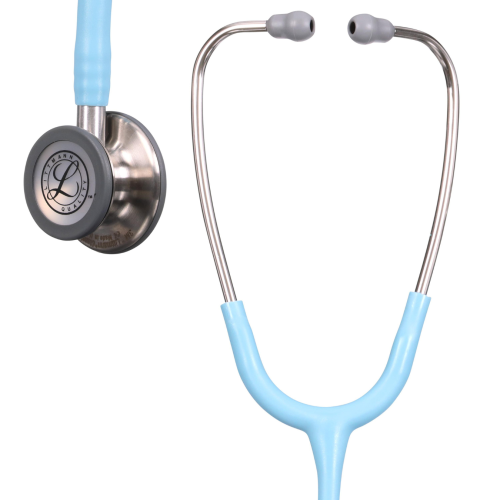
- Caribbean blue, raspberry, plum harder to "accidentally take"
- Black and navy more commonly confused with others' stethoscopes
- Bright colors easier to spot if misplaced
4. Accept That Theft Happens
- Many nurses lose 2-3 stethoscopes during their career
- Have a plan for replacement if it occurs
- Consider keeping a backup basic stethoscope at work
If Your Stethoscope Is Stolen:
✓ Report to facility security (creates record)
✓ Check lost and found after a few days
✓ Ask unit manager if any turned in
✓ Unfortunately, most stolen stethoscopes are never recovered
Harsh truth: Prevention is the only reliable strategy. Keep it on your person or locked up, don't trust that "nobody would take it."
Final Recommendations: Is the Classic III Right for Your Nursing Practice?
The Classic III Excels for:
✓ Med-surg, medical, and surgical unit nurses - Routine cardiac and pulmonary assessment
✓ Long-term care and rehabilitation nurses - Monitoring chronic conditions, detecting changes
✓ Outpatient and clinic nurses - Brief focused assessments, blood pressure measurement
✓ Home health and community nurses - Portable, versatile, reliable for diverse settings
✓ New graduate nurses - Professional acoustics from school through early career
✓ General practice nurses - 80-90% of nursing roles benefit from Classic III's balanced performance
Consider Alternatives If:
✓ You work in ICU, CCU, or cardiac specialties (Cardiology IV may be beneficial)
✓ You have hearing difficulties (Littmann CORE digital with amplification)
✓ You work exclusively in NICU (dedicated neonatal stethoscope)
✓ Budget is severely constrained (Lightweight II S.E. as entry option)
What Actually Matters More Than Stethoscope Model:
- Developing systematic assessment skills through extensive practice
- Understanding what you're hearing (pattern recognition from experience)
- Knowing when findings require escalation to physician or advanced practitioner
- Integrating auscultation with other assessment data (vital signs, symptoms, labs)
- Protecting your investment from theft and damage
The Classic III provides excellent acoustic performance for nursing practice across diverse settings and patient populations. It supports accurate assessment from nursing school through years of clinical practice.
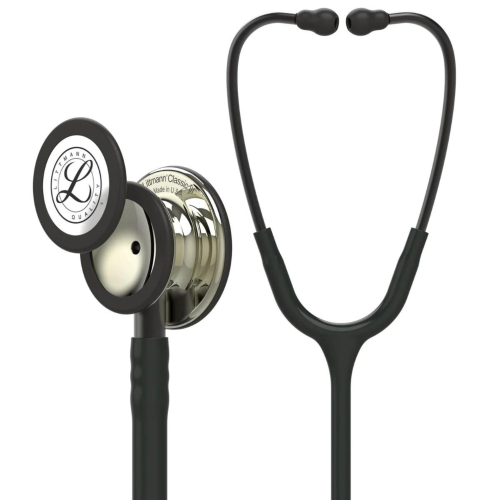
Explore Littmann Classic III stethoscopes at SurgoMed and choose the color and finish that fits your nursing practice.
Common Questions Nurses Ask About the Classic III
Do I need a stethoscope for nursing school, or can I wait until I start working?
You need one for nursing school. Clinical rotations begin early in most programs, and you'll use it extensively during:
- Skills labs
- Simulated patient scenarios
- Clinical rotations across multiple units
- NCLEX preparation and practice
The Classic III is an excellent choice that will serve you from school through early career.
Will the Classic III work well enough for ICU nursing?
For many ICU nurses: yes. The Classic III provides adequate acoustics for most critical care assessments, especially when supplemented by:
- Continuous cardiac monitoring
- Ventilator graphics and monitoring
- Hemodynamic monitoring equipment
- Point-of-care ultrasound (increasingly common)
However, some ICU nurses prefer the Cardiology IV for:
- Enhanced low-frequency sensitivity (S3/S4 detection)
- Better performance in noisy ICU environments
- More detailed cardiac assessment capabilities
Recommendation: Start with Classic III in nursing school. If you specialize in ICU/CCU, reassess after 6-12 months whether you'd benefit from Cardiology IV upgrade.
How do I clean my stethoscope between patients properly?
After each patient contact:
- Wipe diaphragm and tubing with 70% isopropyl alcohol wipe
- Focus on diaphragm (highest patient contact)
- Allow to air dry (don't wipe off immediately)
What to avoid:
- Hand sanitizer (degrades tubing over time)
- Immersion in liquid (not waterproof)
- Harsh chemicals (bleach, strong disinfectants)
- Autoclaving (will destroy stethoscope)
Deep cleaning (weekly):
- Mild soap and water with soft cloth
- Clean eartips thoroughly
- Dry completely before next use
My eartips keep falling off. What should I do?
Common solutions:
- Try different size eartips - Classic III comes with multiple sizes; experiment to find best fit
- Replace hardened eartips - Old eartips lose grip; replace every 6-12 months
- Ensure proper installation - Push firmly until snap-tight seal engages
- Check for damage - Cracked or worn eartips don't seal properly
Replacement eartips are inexpensive and significantly improve both comfort and acoustic seal.
I can barely hear anything with my stethoscope. Is it defective?
Before assuming defect, check:
✓ Eartip direction - Should angle forward toward your nose, not straight into ear canal
✓ Eartip seal - Proper seal is essential for sound transmission; try different sizes
✓ Diaphragm side - Ensure you're using the correct side (tap lightly while wearing to verify sound path)
✓ Environment - Very noisy environments challenge even premium stethoscopes
✓ Patient factors - Obesity, thick chest walls, tachycardia all make auscultation harder
If all above are correct and you still hear poorly: Diaphragm may be damaged or eartips severely worn. Try replacing eartips first (cheap, easy fix).
Can I use the Classic III for pediatric patients?
Yes. The Classic III's smaller diaphragm side works well for:
- School-age children
- Adolescents
- Thin adults
- Focused cardiac assessment
The included non-chill sleeve converts the pediatric side to an open bell when needed.
Limitation: For very small infants or neonates, a dedicated pediatric or neonatal stethoscope provides better acoustic contact and assessment.
How long will my Classic III last with daily nursing use?
With proper care: 5-7+ years of daily clinical use. Many nurses report 8-10 years.
Factors affecting lifespan:
- Frequency of alcohol cleaning (necessary but gradually wears tubing)
- Storage conditions (heat exposure accelerates deterioration)
- Physical stress (drops, excessive coiling, getting caught on equipment)
- Replacement of worn eartips and diaphragm extends useful life
When to replace:
- Tubing cracks, hardens significantly, or loses flexibility
- Diaphragm tears or develops holes
- Acoustic performance noticeably degrades
- Structural damage to chestpiece or binaural
Should I get my name engraved to prevent theft?
Pros of engraving:
- Theft deterrent (name visible on chestpiece)
- Easy identification if found
- Shows ownership clearly
Cons:
- May reduce resale value (minor concern for most)
- Doesn't prevent theft entirely (stolen anyway in some cases)
Alternative strategies:
- Permanent marker on tubing (free, easy)
- Distinctive color choice (easier to spot, claim)
- Simply keeping it on your person (most effective prevention)
Recommendation: Engraving + distinctive color + keeping it with you = best protection strategy.

Why Nurses Need a Reliable Everyday Stethoscope
Nurses rely on their stethoscope constantly, often dozens of times per shift. From assessing breath sounds and heart rate to measuring blood pressure and monitoring patient changes, clear and consistent auscultation is essential to safe, effective nursing care.
The Littmann Classic III Stethoscope is a popular choice among RNs and LPNs because it delivers reliable acoustic performance, all-day comfort, and long-term durability without unnecessary complexity. It’s built for realities of nursing practice in busy clinical environments.
This guide explains why the Classic III continues to be one of the most trusted stethoscopes for nurses across a wide range of care settings.
Daily Assessment Needs in Nursing Practice
Nursing assessments are frequent, time-sensitive, and critical to patient outcomes. Nurses use their stethoscope to:
- Assess heart and lung sounds
- Monitor changes in respiratory status
- Measure blood pressure accurately
- Identify early signs of patient deterioration
The Classic III provides the clarity nurses need to perform these assessments confidently throughout their shift.
The Reality of Nursing Auscultation: Time Constraints and Priorities
Typical Nursing Assessment Scenarios:
Med-Surg floor with 5-6 patients:
- Quick lung assessment post-op or with respiratory concerns
- Heart rate and rhythm checks
- Blood pressure measurements throughout shift
- Frequent brief reassessments when status changes
Critical care with 1-2 patients:
- More detailed cardiac and pulmonary assessments
- Frequent monitoring of subtle changes
- Serial examinations tracking progression
- Often supplemented by continuous monitoring equipment
Long-term care:
- Routine vital signs and basic assessments
- Monitoring chronic respiratory conditions
- Detecting early changes in stable residents
- Often in challenging acoustic environments (shared rooms, dining areas)
Outpatient/clinic:
- Brief focused assessments during visits
- Blood pressure measurements
- Pre-procedure screening
- Generally quieter environments than hospital
Time Pressure Reality:
Honest truth: Most nursing auscultation is brief and focused, not lengthy detailed examinations. You often have 30-60 seconds for lung sounds, not 5 minutes.
What matters:
- Hearing clearly enough to detect abnormalities quickly
- Reliable blood pressure measurements
- Identifying changes from baseline
- Knowing when to escalate to physician
The Classic III supports efficient assessment by providing clear sound quality during these brief encounters, helping you catch important changes despite time constraints.
Clear Heart & Lung Sounds in Busy Environments
Hospital wards, long-term care facilities, and clinics are rarely quiet. Background noise can make auscultation challenging, especially with basic stethoscopes.
The Classic III’s high acoustic sensitivity helps nurses hear:
- Normal and abnormal breath sounds
- Subtle changes in airflow
- Heart sounds and rhythms
- Korotkoff sounds during BP checks
This clarity supports more accurate assessments even in moderately noisy environments.
Comfort for Long Shifts & Repeated Assessments
Nurses often wear their stethoscope for hours at a time. The Classic III is designed with comfort in mind, featuring:
- Snap-tight, soft-sealing eartips for a secure yet comfortable fit
- Adjustable headset tension to suit individual head size
- Smooth, patient-friendly chestpiece surfaces
These features help reduce listening fatigue during long shifts and repeated use.
Lightweight Design for Neck & Shoulder Comfort
The Classic III weighs less than many comparable stethoscopes, making it comfortable to wear around the neck or carry in a pocket. This lightweight design is especially important for nurses who are constantly on the move and performing frequent assessments.
Easy Cleaning Between Patients
Infection control is a top priority in nursing care. The Classic III is easy to clean between patients using approved methods such as:
- 70% isopropyl alcohol wipes
- Mild soap and water with disposable wipes
Its smooth diaphragm surfaces and removable eartips support thorough cleaning without compromising performance.
Adult & Pediatric Versatility in Nursing Care
Many nurses care for patients of different ages during a single shift. The Classic III’s dual-sided chestpiece allows:
- Adult assessments on the larger diaphragm
- Pediatric assessments on the smaller side
- Optional open-bell use with the included non-chill sleeve
This versatility makes it a practical single-stethoscope solution for many nursing roles.
Why Nurses Trust the Classic III
Nurses continue to choose the Classic III because it offers:
- Consistent, dependable sound quality
- Comfort during long and demanding shifts
- Durability for daily clinical use
- A balance of professional performance and value
It’s a stethoscope designed to support nurses in delivering high-quality patient care every day.
Classic III vs. Cardiology IV: Which Do Nurses Actually Need?
The Cardiology IV costs more than the Classic III but offers enhanced acoustic performance. Is the upgrade worth it for nursing practice?
Choose Classic III If:
✓ You work in med-surg, LTC, clinic, or general hospital units
✓ You perform mostly routine cardiac and lung assessments
✓ You're not frequently assessing subtle cardiac findings
✓ Budget considerations matter
✓ You want excellent performance without premium features you won't regularly use
✓ You need adult/pediatric versatility
For 80-90% of nursing roles, the Classic III provides completely adequate acoustic performance.
Consider Cardiology IV If:
✓ You work in ICU, CCU, cardiac step-down, or ED
✓ You frequently assess subtle heart murmurs or gallops
✓ You work closely with cardiologists who rely on your detailed assessments
✓ You're in advanced practice (NP, CNS) with expanded assessment responsibilities
✓ Enhanced low-frequency cardiac sound detection matters regularly in your role
The Honest Nursing Assessment:
Most RNs and LPNs in general practice settings: Classic III is ideal—clear acoustics for routine assessments at better value
Critical care and cardiac nurses: Cardiology IV offers advantages for frequent detailed cardiac assessment
Advanced practice nurses (NPs, CNSs): Consider Cardiology IV if cardiac assessment is significant part of practice; Classic III sufficient for general primary care
New graduate nurses: Start with Classic III; reassess based on specialty after 1-2 years of practice
Bottom line: Don't overspend on features you won't use regularly. The Classic III handles the vast majority of nursing assessments confidently.
Who the Classic III Is Best Suited For in Nursing
The Classic III is an excellent choice for:
- Registered Nurses (RNs)
- Licensed Practical Nurses (LPNs)
- Clinic and outpatient nurses
- Long-term care and rehabilitation nurses
- Home care and community nurses
When Nurses Should Consider Alternative Stethoscope Models
Littmann Cardiology IV - For Critical Care and Cardiac Nursing:
Best suited for:
- ICU, CCU, CVICU nurses
- Emergency department nurses
- Cardiac step-down and telemetry units
- Advanced practice nurses with cardiac focus
- Nurses working closely with cardiologists
Advantages over Classic III:
- Enhanced low-frequency cardiac sound detection
- Better performance in noisy critical care environments
- Improved acoustic sensitivity for subtle findings
Trade-offs:
- Higher cost
- Slightly heavier
- Not necessary for general nursing practice
Littmann CORE Digital Stethoscope - For Specific Situations:
Consider if you:
- Have documented hearing loss requiring amplification
- Work in extremely noisy environments consistently
- Need recording capabilities for documentation or consultation
- Are involved in telemedicine or remote monitoring programs
Reality for most nurses: The added cost and battery management aren't worth it unless you have specific need for digital features.
Neonatal Stethoscopes - For NICU and Nursery:
Required for:
- NICU nurses
- Special care nursery staff
- Nurses working exclusively with premature infants
Why Classic III isn't ideal: Adult/pediatric diaphragm too large for tiny neonates; specialized neonatal models provide better acoustic contact and assessment.
Lightweight Models - Budget Entry Option:
Littmann Lightweight II S.E.:
- Significantly lower cost
- Adequate for basic assessments
- Common as backup stethoscope
- Less durable, lower acoustic quality than Classic III
When this makes sense:
- Very tight budget constraints
- Backup stethoscope for locker (in case primary stolen)
- New nurse uncertain about specialty direction
Most nurses outgrow lightweight models quickly as assessment skills develop.
The Safe Default for 90% of Nursing Roles:
Littmann Classic III - Excellent acoustics for routine nursing assessment, appropriate value, versatile for diverse patient populations, durable for years of use.
Reassess equipment needs if you transition to specialized critical care or cardiac roles.
Protecting Your Stethoscope from Theft and Loss
Reality: Stethoscope theft is extremely common in hospitals, particularly in:
- Nurse lounges and break rooms
- Unlocked lockers
- Medication rooms
- Shared workstations
- Patient rooms during codes or emergencies
Prevention Strategies That Work:
1. Label Prominently
- Engrave your name on the chestpiece
- Write name on tubing with permanent marker
- Use distinctive tubing color (reduces accidental mix-ups)
2. Never Leave Unattended
- Keep in scrub pocket during shift (not draped over computer)
- Lock in secure locker during breaks
- Don't leave in patient rooms
- Don't store in shared spaces
3. High-Visibility Colors Help
- Caribbean blue, raspberry, plum harder to "accidentally take"
- Black and navy more commonly confused with others' stethoscopes
- Bright colors easier to spot if misplaced
4. Accept That Theft Happens
- Many nurses lose 2-3 stethoscopes during their career
- Have a plan for replacement if it occurs
- Consider keeping a backup basic stethoscope at work
If Your Stethoscope Is Stolen:
✓ Report to facility security (creates record)
✓ Check lost and found after a few days
✓ Ask unit manager if any turned in
✓ Unfortunately, most stolen stethoscopes are never recovered
Harsh truth: Prevention is the only reliable strategy. Keep it on your person or locked up, don't trust that "nobody would take it."
Final Recommendations: Is the Classic III Right for Your Nursing Practice?
The Classic III Excels for:
✓ Med-surg, medical, and surgical unit nurses - Routine cardiac and pulmonary assessment
✓ Long-term care and rehabilitation nurses - Monitoring chronic conditions, detecting changes
✓ Outpatient and clinic nurses - Brief focused assessments, blood pressure measurement
✓ Home health and community nurses - Portable, versatile, reliable for diverse settings
✓ New graduate nurses - Professional acoustics from school through early career
✓ General practice nurses - 80-90% of nursing roles benefit from Classic III's balanced performance
Consider Alternatives If:
✓ You work in ICU, CCU, or cardiac specialties (Cardiology IV may be beneficial)
✓ You have hearing difficulties (Littmann CORE digital with amplification)
✓ You work exclusively in NICU (dedicated neonatal stethoscope)
✓ Budget is severely constrained (Lightweight II S.E. as entry option)
What Actually Matters More Than Stethoscope Model:
- Developing systematic assessment skills through extensive practice
- Understanding what you're hearing (pattern recognition from experience)
- Knowing when findings require escalation to physician or advanced practitioner
- Integrating auscultation with other assessment data (vital signs, symptoms, labs)
- Protecting your investment from theft and damage
The Classic III provides excellent acoustic performance for nursing practice across diverse settings and patient populations. It supports accurate assessment from nursing school through years of clinical practice.
Explore Littmann Classic III stethoscopes at SurgoMed and choose the color and finish that fits your nursing practice.
Common Questions Nurses Ask About the Classic III
Do I need a stethoscope for nursing school, or can I wait until I start working?
You need one for nursing school. Clinical rotations begin early in most programs, and you'll use it extensively during:
- Skills labs
- Simulated patient scenarios
- Clinical rotations across multiple units
- NCLEX preparation and practice
The Classic III is an excellent choice that will serve you from school through early career.
Will the Classic III work well enough for ICU nursing?
For many ICU nurses: yes. The Classic III provides adequate acoustics for most critical care assessments, especially when supplemented by:
- Continuous cardiac monitoring
- Ventilator graphics and monitoring
- Hemodynamic monitoring equipment
- Point-of-care ultrasound (increasingly common)
However, some ICU nurses prefer the Cardiology IV for:
- Enhanced low-frequency sensitivity (S3/S4 detection)
- Better performance in noisy ICU environments
- More detailed cardiac assessment capabilities
Recommendation: Start with Classic III in nursing school. If you specialize in ICU/CCU, reassess after 6-12 months whether you'd benefit from Cardiology IV upgrade.
How do I clean my stethoscope between patients properly?
After each patient contact:
- Wipe diaphragm and tubing with 70% isopropyl alcohol wipe
- Focus on diaphragm (highest patient contact)
- Allow to air dry (don't wipe off immediately)
What to avoid:
- Hand sanitizer (degrades tubing over time)
- Immersion in liquid (not waterproof)
- Harsh chemicals (bleach, strong disinfectants)
- Autoclaving (will destroy stethoscope)
Deep cleaning (weekly):
- Mild soap and water with soft cloth
- Clean eartips thoroughly
- Dry completely before next use
My eartips keep falling off. What should I do?
Common solutions:
- Try different size eartips - Classic III comes with multiple sizes; experiment to find best fit
- Replace hardened eartips - Old eartips lose grip; replace every 6-12 months
- Ensure proper installation - Push firmly until snap-tight seal engages
- Check for damage - Cracked or worn eartips don't seal properly
Replacement eartips are inexpensive and significantly improve both comfort and acoustic seal.
I can barely hear anything with my stethoscope. Is it defective?
Before assuming defect, check:
✓ Eartip direction - Should angle forward toward your nose, not straight into ear canal
✓ Eartip seal - Proper seal is essential for sound transmission; try different sizes
✓ Diaphragm side - Ensure you're using the correct side (tap lightly while wearing to verify sound path)
✓ Environment - Very noisy environments challenge even premium stethoscopes
✓ Patient factors - Obesity, thick chest walls, tachycardia all make auscultation harder
If all above are correct and you still hear poorly: Diaphragm may be damaged or eartips severely worn. Try replacing eartips first (cheap, easy fix).
Can I use the Classic III for pediatric patients?
Yes. The Classic III's smaller diaphragm side works well for:
- School-age children
- Adolescents
- Thin adults
- Focused cardiac assessment
The included non-chill sleeve converts the pediatric side to an open bell when needed.
Limitation: For very small infants or neonates, a dedicated pediatric or neonatal stethoscope provides better acoustic contact and assessment.
How long will my Classic III last with daily nursing use?
With proper care: 5-7+ years of daily clinical use. Many nurses report 8-10 years.
Factors affecting lifespan:
- Frequency of alcohol cleaning (necessary but gradually wears tubing)
- Storage conditions (heat exposure accelerates deterioration)
- Physical stress (drops, excessive coiling, getting caught on equipment)
- Replacement of worn eartips and diaphragm extends useful life
When to replace:
- Tubing cracks, hardens significantly, or loses flexibility
- Diaphragm tears or develops holes
- Acoustic performance noticeably degrades
- Structural damage to chestpiece or binaural
Should I get my name engraved to prevent theft?
Pros of engraving:
- Theft deterrent (name visible on chestpiece)
- Easy identification if found
- Shows ownership clearly
Cons:
- May reduce resale value (minor concern for most)
- Doesn't prevent theft entirely (stolen anyway in some cases)
Alternative strategies:
- Permanent marker on tubing (free, easy)
- Distinctive color choice (easier to spot, claim)
- Simply keeping it on your person (most effective prevention)
Recommendation: Engraving + distinctive color + keeping it with you = best protection strategy.
