
How the Littmann Master Cardiology Achieves Superior Acoustic Clarity

Superior Clarity Without Digital Amplification
When clinicians hear that the Littmann Master Cardiology Stethoscope is the loudest mechanical stethoscope in the Littmann lineup, it does not mean artificial amplification or electronic enhancement. Instead, “loudest” refers to acoustic response, how efficiently sound travels from the patient’s body to the clinician’s ears while maintaining clarity, fidelity, and detail.
Understanding "Loudest" in Context
When Littmann states the Master Cardiology has the "highest acoustic response" among their mechanical models, this means:
Compared to what:
- Higher acoustic output than Littmann Classic III
- Incrementally better than Littmann Cardiology IV
- Measured in laboratory testing under controlled conditions
- Specifically optimized for frequencies below 120 Hz (low-frequency cardiac sounds)
What this doesn't mean:
- Not necessarily louder than all competitor premium stethoscopes
- Not "twice as loud" like the Cardiology IV claim (different baseline comparison)
- Advantage is most noticeable for very subtle, low-frequency sounds
- Difference between Master Cardiology and Cardiology IV is incremental, not dramatic
Clinical reality: The Master Cardiology does provide the best acoustic performance in the Littmann mechanical lineup, particularly for cardiac-focused practice. However, the difference from the Cardiology IV is subtle—most noticeable to experienced clinicians assessing challenging cardiac cases rather than routine examinations.
Through precision engineering, Littmann created a stethoscope capable of capturing subtle, low-frequency cardiac sounds, preserving delicate acoustic vibrations, and eliminating noise that interferes with critical assessments. This article combines three key aspects of the Master Cardiology’s design, its unmatched acoustic response, tunable diaphragm technology, and dual-lumen tubing, to explain how it achieves such extraordinary clarity.
Understanding the Master Cardiology’s Superior Acoustic Performance
What “Highest Acoustic Response” Really Means
Acoustic response describes how well a mechanical stethoscope captures and transmits sound vibrations with minimal distortion or loss. The Master Cardiology leads all Littmann mechanical models because it delivers:
- Greater amplification of natural body sounds
- Clearer detection of faint acoustic details
- Better separation of high- and low-frequency components
- Reduced listening fatigue, even during long or repeated assessments
In cardiology, emergency medicine, and critical care, where subtle changes matter, this level of clarity can directly influence diagnostic accuracy.
Why Low-Frequency Sound Detection Matters Most
Many essential cardiac sounds fall below 120 Hz, making them harder to detect with standard stethoscopes. The Master Cardiology is engineered specifically to enhance these frequencies.
Clinicians hear low-frequency findings more reliably, including:
- S3 and S4 gallops
- Low-pitched and early systolic murmurs
- Valve abnormalities
- Subtle rhythm or timing variations
These sounds are often early indicators of cardiovascular compromise, and missing them can delay diagnosis. The Master Cardiology’s solid stainless steel chestpiece, combined with its precision-tuned diaphragm, preserves these sounds with exceptional fidelity.
When the Master Cardiology's Advantages Are Most Noticeable
The Master Cardiology's superior acoustic response provides meaningful advantages in specific scenarios, but not all clinical situations benefit equally.
High-Value Scenarios (where you'll notice the difference):
Assessing very subtle low-frequency cardiac sounds:
- Faint S3 gallops in early heart failure
- Soft S4 in diastolic dysfunction
- Quiet diastolic murmurs (mitral stenosis, aortic regurgitation)
- Low-grade systolic murmurs requiring characterization
Challenging patient populations:
- Significant obesity limiting sound transmission
- Thick chest walls (muscular patients, barrel chest)
- Post-operative patients with positioning constraints
- Patients who cannot cooperate with optimal positioning
Difficult acoustic environments:
- Noisy ICU or CCU with multiple alarms and equipment
- Busy cardiology clinic with thin walls
- Emergency department during high activity periods
Lower-Value Scenarios (where differences are minimal):
Routine assessments in most patients:
- Normal heart sounds in cooperative patients with normal body habitus
- Loud or obvious murmurs easily audible with any quality stethoscope
- Clear breath sounds in quiet exam rooms
- Blood pressure measurement (adequate with any professional stethoscope)
When other factors dominate:
- Extremely noisy environments where no acoustic stethoscope performs well
- Uncooperative or agitated patients preventing proper positioning
- Situations where imaging (echo, ultrasound) provides more definitive information
Honest assessment: If you primarily perform routine cardiac assessments in relatively cooperative patients in moderately quiet environments, the Cardiology IV provides very similar performance at lower cost. The Master Cardiology's advantages emerge in edge cases requiring maximum acoustic sensitivity for subtle findings.
Why Superior Acoustic Sensitivity Improves Clinical Confidence
When clinicians hear more clearly, they interpret more confidently. High acoustic sensitivity reduces uncertainty by:
- Decreasing the need for repeat listening
- Improving accuracy in noisy or shared environments
- Helping clinicians distinguish between normal and pathological findings
- Supporting faster, more decisive clinical judgment
These benefits are especially valuable when examining unstable, high-acuity, or cardiac patients.
How Tunable Diaphragm Technology Enhances Frequency Control
One Chestpiece, Full Frequency Range
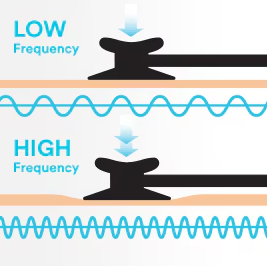
Traditional stethoscopes require clinicians to flip the chestpiece to alternate between a bell (low frequencies) and a diaphragm (high frequencies). The Master Cardiology eliminates this step, using Littmann’s tunable diaphragm technology to control frequency through pressure alone.
How it works:
- Light pressure → emphasizes low-frequency sounds
- Firm pressure → emphasizes high-frequency sounds
This allows seamless transitions between sound ranges without breaking contact, repositioning, or interrupting the exam.
.webp)
Why a Single-Sided Tunable Diaphragm Matters
The Master Cardiology does not use a traditional dual-sided chestpiece. Instead, its single-sided chestpiece is engineered to:
- Reduce mechanical complexity
- Minimize acoustic loss from unused components
- Maintain uninterrupted contact with the patient
- Improve overall sound transmission efficiency
For clinicians performing high-acuity cardiac or pulmonary assessments, the single-sided tunable diaphragm offers smoother workflow and greater precision.
Clinical Use Examples: Where Tunable Diaphragm Shines
Cardiology Practice:
Scenario: Assessing a patient with suspected aortic stenosis and concurrent heart failure
Workflow with tunable diaphragm:
- Light pressure at apex - listen for S3 gallop (volume overload)
- Firm pressure - assess S1/S2 clarity and splitting
- Move to aortic area - light pressure for low-pitched radiation
- Increase pressure - characterize harsh systolic components
- Assess throughout precordium without breaking contact or repositioning
Advantage: Smoother examination flow; captures full frequency spectrum of complex findings without interruption
Limitation: Still requires optimal patient positioning (sitting forward, breath-holding) regardless of stethoscope quality
Critical Care/ICU:
Scenario: Monitoring post-cardiac surgery patient with changing volume status
Value: Serial assessments benefit from consistent acoustic quality and ability to detect subtle S3 emergence as patient accumulates fluid
Reality check: Mechanical ventilation noise, inability to position optimally, and tachycardia still limit what any stethoscope can achieve. Point-of-care ultrasound increasingly supplements auscultation in this setting.
Emergency Medicine/EMS:
Scenario: Rapid assessment of chest pain patient in noisy ED or ambulance
Value: High acoustic output helps in noisy environments; quick frequency switching speeds assessment
Practical consideration: Extremely loud environments (active trauma bay, sirens) overwhelm even the Master Cardiology. When noise is overwhelming, focus on other assessment modalities temporarily.
Anesthesiology/Pulmonology:
Scenario: Detecting subtle respiratory changes or hemodynamic shifts
Benefit: Enhanced acoustic sensitivity for faint crackles, wheezes, or adventitious sounds
Complement, not replacement: Capnography, pulse oximetry, arterial lines, and other monitoring provide more objective continuous data than intermittent auscultation
Bottom line: The tunable diaphragm improves workflow and acoustic performance in these scenarios, but doesn't eliminate fundamental challenges of auscultation in critically ill or uncooperative patients. It enhances clinical assessment when used as one tool among many.
What the Master Cardiology Can't Overcome
Despite superior acoustic engineering, the Master Cardiology faces fundamental limitations shared by all mechanical stethoscopes:
Patient Factors It Can't Fix:
❌ Significant body habitus barriers - Even the best acoustics struggle with extreme obesity or very thick chest walls
❌ Patient cooperation issues - Cannot compensate for inability to position patients optimally (left lateral decubitus for S3, sitting forward for aortic regurgitation)
❌ Tachycardia obscuring sounds - Rapid heart rates limit diastolic assessment regardless of stethoscope quality
❌ Irregular rhythms complicating timing - Atrial fibrillation makes S4 detection impossible (no atrial contraction)
Environmental Factors Beyond Acoustic Engineering:
❌ Extreme ambient noise - Active resuscitations, trauma bays, or very loud ICU environments can overwhelm even the Master Cardiology
❌ Mechanical ventilation interference - Ventilator noise creates substantial background that no stethoscope eliminates completely
Clinical Skill Requirements Remain:
❌ Pattern recognition comes from experience, not equipment - The Master Cardiology makes sounds clearer, but recognizing what they mean requires extensive clinical exposure
❌ Optimal technique still essential - Proper chest piece placement, patient positioning, and systematic examination matter more than equipment quality
❌ Knowing when auscultation isn't enough - Many cardiac assessments require echocardiography, ECG, or other imaging regardless of stethoscope performance
Critical principle: The Master Cardiology enhances what skilled clinicians can already do—it doesn't replace the need for clinical experience, proper technique, or complementary diagnostic tools.
How Dual-Lumen Tubing Preserves Pure, Interference-Free Sound
Clean Sound Starts With the Sound Path
A stethoscope’s performance depends not only on the chestpiece, but also on how sound travels through the tubing. Traditional double-tube stethoscopes often produce unwanted rubbing noise when tubes touch each other or clothing.
The Master Cardiology avoids this with dual-lumen tubing, which houses two distinct sound channels inside a single tube.
What Dual-Lumen Tubing Does:
- Prevents tube-to-tube rubbing noise
- Preserves the purity of acoustic signals
- Reduces interference from movement or clothing
- Supports consistent clarity during repositioning or patient transport
This design is particularly valuable in high-noise environments such as:
- ICUs and CCUs
- Emergency departments
- EMS and prehospital care
- Busy hospital wards
Maintaining sound clarity during movement helps clinicians trust what they hear every time.
Why Clean Sound Paths Matter in Cardiology Auscultation
Subtle cardiac abnormalities can be masked by even minor acoustic interference. Dual-lumen tubing supports clearer detection of:
- Quiet murmurs
- Faint S3 and S4 gallops
- Early rhythm alterations
- Small changes in airflow or breath timing
By preserving signal integrity from chestpiece to earpiece, dual-lumen tubing helps clinicians catch early indicators of deterioration.

Engineering & Materials That Support Clarity
The Master Cardiology achieves its clarity through more than any one feature, it is the result of:
- Precision-machined stainless steel chestpiece construction
- High-performance, pressure-responsive diaphragm materials
- Anatomically angled eartubes for accurate sound channeling
- Snap-tight soft-sealing eartips for acoustic isolation
- Durable, alcohol-resistant, latex-free tubing designed to last
Together, these elements create the highest-performing mechanical stethoscope available.
Master Cardiology vs. Cardiology IV: Is the Upgrade Worth It?
The Master Cardiology and Cardiology IV are both premium stethoscopes. Here's an honest comparison:
Master Cardiology Advantages:
✓ Slightly better low-frequency response (manufacturer data shows incremental improvement)
✓ Larger adult diaphragm (4.7cm vs. 4.3cm) - may improve cardiac assessment in larger patients
✓ Single-sided design - some clinicians prefer the focused, simplified chestpiece
✓ Brass chestpiece option - heavier feel some prefer for stability
✓ Highest acoustic performance in Littmann mechanical lineup (for those who want "the best")
Cardiology IV Advantages:
✓ Dual-sided chestpiece - includes pediatric side for children or small adults
✓ More compact, lighter design - easier to carry, less bulk
✓ Lower cost (typically $50-80 less than Master Cardiology)
✓ More color and finish options available
✓ More widely used - easier to find replacement parts
Acoustic Performance Reality:
The difference in acoustic performance between Master Cardiology and Cardiology IV is subtle. Both are excellent stethoscopes. The Master Cardiology provides incremental improvement most noticeable to:
- Experienced cardiologists assessing complex valve disease
- Clinicians frequently detecting very subtle S3/S4 gallops
- Those working with challenging patient populations (obesity, difficult positioning)
For most clinicians—even those in cardiology or critical care—the Cardiology IV provides comparable performance at better value.
Decision Framework:
Choose Master Cardiology if:
- You're a cardiologist specializing in valvular disease or heart failure
- You frequently assess very subtle cardiac findings where every bit of acoustic advantage matters
- You prefer single-sided chestpiece design
- You want the absolute best mechanical stethoscope available regardless of cost
- You don't need pediatric assessment capabilities
Choose Cardiology IV if:
- You need versatility across adult and pediatric patients
- You want excellent acoustic performance at lower cost
- You value compact, lighter design
- Cost difference ($50-80) is significant consideration
- You work in mixed patient populations
Honest recommendation for most clinicians: The Cardiology IV represents better value. Save the $50-80 unless you're in a subspecialty practice where that incremental acoustic advantage provides regular clinical benefit.
Who Benefits Most From the Master Cardiology’s Acoustic Performance?
This model is especially valuable for clinicians who rely on detecting subtle changes:
- Cardiologists & cardiac nurses
- ICU, CCU & critical care clinicians
- Emergency physicians & EMS professionals
- Pulmonologists & respiratory specialists
- Anesthesiologists & hospitalists
In these roles, superior acoustic clarity supports faster recognition of change, better assessment of complex patients, and more confident clinical decisions.
Is the Master Cardiology Worth the Premium Price?
The Master Cardiology typically costs $250-300, making it one of the most expensive mechanical stethoscopes available.
Worth the Investment If:
✓ You're a practicing cardiologist regularly assessing complex valvular disease
✓ You work in heart failure clinic where subtle S3 detection impacts management
✓ You're an experienced clinician who can genuinely appreciate subtle acoustic differences
✓ You frequently encounter challenging patient populations (obesity, positioning constraints)
✓ The incremental acoustic improvement matters regularly in your practice
✓ Budget allows without financial strain
Probably Not Worth It If:
✗ You're a medical student or early resident (your pattern recognition skills aren't developed enough to benefit from incremental acoustic advantages)
✗ You work primarily in general medicine, family practice, or non-cardiac specialties
✗ You perform mostly routine cardiac assessments on cooperative patients
✗ The $100-150 price difference vs. Cardiology IV is financially significant
✗ You need pediatric assessment capabilities (single-sided limits versatility)
✗ You're choosing based on "wanting the best" rather than regular clinical need
Cost-Benefit Reality:
Master Cardiology: $250-300 ÷ 7 years = ~$36-43/year
Cardiology IV: $180-220 ÷ 7 years = ~$26-31/year
Difference: ~$10-12/year
Question to ask yourself: "Will the incremental acoustic improvement provide $10-12/year in clinical value to my practice?"
For subspecialty cardiologists: Probably yes
For most other clinicians: Probably no
Alternative Consideration:
If you have $250-300 to invest in auscultation equipment, consider whether a Littmann CORE digital stethoscope ($500-600) might provide more practical benefit than Master Cardiology:
- Amplification helps in noisy environments (sometimes more than incremental mechanical acoustic improvement)
- Recording capability for documentation, consultation, teaching
- Active noise cancellation
- Helpful for clinicians with mild hearing loss
No single "best" answer—depends entirely on your specific clinical practice and needs.
Superior Clarity Comes From Superior Engineering
The Littmann Master Cardiology isn’t the loudest mechanical stethoscope because of amplification; it is the loudest because of acoustic efficiency. Its single-sided tunable diaphragm, dual-lumen tubing, and precision-crafted chestpiece work together to deliver clearer, more consistent sound than any other Littmann mechanical stethoscope.
For clinicians who depend on hearing every detail, this level of clarity isn’t a luxury; it’s essential.
Final Assessment: Who Should Choose the Master Cardiology?
The Littmann Master Cardiology represents the pinnacle of mechanical stethoscope acoustic engineering. Its superior low-frequency response, tunable diaphragm technology, and dual-lumen tubing deliver the clearest acoustic performance available in a mechanical stethoscope.
The Master Cardiology is the Right Choice For:
✓ Cardiologists in subspecialty practice (heart failure, valvular disease, structural heart)
✓ Experienced cardiac ICU clinicians who frequently assess subtle cardiac findings
✓ Clinicians who can genuinely appreciate and benefit from incremental acoustic advantages
✓ Those who want the absolute best mechanical stethoscope regardless of cost
✓ Cardiac-focused practice where pediatric assessment isn't needed
Consider the Cardiology IV Instead If:
✓ You need adult/pediatric versatility
✓ You work in general medicine, family practice, or mixed specialties
✓ The $100+ price difference is financially significant
✓ You're a student or early trainee still developing pattern recognition
✓ You value lighter, more compact design
Consider Digital Stethoscopes If:
✓ You have hearing difficulties
✓ You work in extremely noisy environments
✓ You need recording capabilities for teaching or consultation
✓ Amplification would benefit your practice more than incremental acoustic improvement
The Master Cardiology is an exceptional stethoscope that delivers on its acoustic promises. Whether that level of performance justifies the premium price depends entirely on your specific clinical practice, subspecialty focus, and whether you'll regularly encounter situations where that incremental advantage provides clinical value.
Explore the Littmann Master Cardiology at SurgoMed and determine whether its superior acoustic engineering matches your clinical needs and practice focus.
Frequently Asked Questions
Is the Master Cardiology noticeably better than the Cardiology IV?
For experienced clinicians in cardiac-focused practice assessing subtle findings: yes, the difference is noticeable but incremental. For general clinical use or routine assessments: the difference is minimal and many clinicians couldn't reliably distinguish them in blind testing.
Honest assessment: Both are excellent stethoscopes. The Master Cardiology provides the best mechanical acoustics available, but whether that incremental improvement justifies the $100+ price premium depends entirely on your specific practice.
Will the Master Cardiology help me detect S3 and S4 gallops reliably?
It improves your probability of detection compared to standard stethoscopes, but S3/S4 remain challenging even for experienced cardiologists with premium equipment. Success requires:
- Optimal patient positioning (left lateral decubitus)
- Quiet environment (often impossible in hospital settings)
- Slow heart rate (tachycardia obscures diastolic sounds)
- Significant clinical experience recognizing patterns
The Master Cardiology gives you the best acoustic tool available, but detection still depends heavily on conditions and experience. Don't expect reliable S3/S4 detection in typical hospital environments regardless of stethoscope quality.
Should medical students or residents buy the Master Cardiology?
Generally no. The Cardiology IV or even Classic III provides excellent learning acoustics at lower cost.
Reasoning:
- Pattern recognition skills develop over years—students can't yet appreciate subtle acoustic differences
- Risk of damage or loss higher during training
- Financial constraints usually more significant
- May change specialty, making cardiac-focused stethoscope less relevant
Better approach: Start with Cardiology IV (or Classic III for non-ICU rotations). Upgrade to Master Cardiology during fellowship or attending practice if your subspecialty justifies it.
How does the Master Cardiology compare to digital stethoscopes?
Different tools for different purposes:
Master Cardiology advantages:
- No battery to manage
- Pure acoustic fidelity (some purists prefer mechanical)
- Lower cost than premium digital models
- Simpler operation
Digital stethoscope advantages (Littmann CORE, Eko):
- Amplification (sometimes more impactful than incremental mechanical acoustic improvement)
- Recording for documentation, teaching, consultation
- Active noise cancellation
- Visual waveforms
- Helpful for hearing-impaired clinicians
For most cardiologists: Master Cardiology remains preferred for primary clinical use
For noisy environments or teaching: Digital may provide more practical benefit
For hearing difficulties: Digital clearly superior
Does the single-sided design limit the Master Cardiology's usefulness?
For cardiac-focused adult practice: No—the single-sided tunable diaphragm handles all needed frequencies
For mixed adult/pediatric practice: Yes—lack of dedicated pediatric side is limiting. The Cardiology IV's dual-sided design provides better versatility.
For neonatal/infant assessment: Yes—neither Master Cardiology nor Cardiology IV optimal; dedicated neonatal stethoscopes better suited.
Bottom line: If you need pediatric capabilities, choose Cardiology IV. If you work exclusively with adults in cardiac-focused practice, single-sided design is not a limitation.
How long does the Master Cardiology last?
With proper care: 7-10+ years of intensive daily use. The solid stainless steel construction and quality materials support long lifespan.
Maintenance:
- Replace eartips every 6-12 months
- Diaphragm replaceable if damaged
- Tubing not replaceable—when tubing fails, stethoscope needs replacement
At $250-300 with 7-10 year lifespan, cost per year is $25-43—reasonable for a premium professional tool used daily.
Is the brass chestpiece better than stainless steel?
Acoustic performance: Identical (manufacturer confirms no acoustic difference)
Practical differences:
- Brass: Heavier feel (some prefer for stability); develops patina over time; requires more maintenance
- Stainless steel: Lighter; maintains appearance better; easier to clean
Choose based on personal preference for weight and aesthetic—not acoustic expectations.
Explore the Littmann Master Cardiology at SurgoMed and experience how superior mechanical engineering leads to superior clinical listening.





Superior Clarity Without Digital Amplification
When clinicians hear that the Littmann Master Cardiology Stethoscope is the loudest mechanical stethoscope in the Littmann lineup, it does not mean artificial amplification or electronic enhancement. Instead, “loudest” refers to acoustic response, how efficiently sound travels from the patient’s body to the clinician’s ears while maintaining clarity, fidelity, and detail.
Understanding "Loudest" in Context
When Littmann states the Master Cardiology has the "highest acoustic response" among their mechanical models, this means:
Compared to what:
- Higher acoustic output than Littmann Classic III
- Incrementally better than Littmann Cardiology IV
- Measured in laboratory testing under controlled conditions
- Specifically optimized for frequencies below 120 Hz (low-frequency cardiac sounds)
What this doesn't mean:
- Not necessarily louder than all competitor premium stethoscopes
- Not "twice as loud" like the Cardiology IV claim (different baseline comparison)
- Advantage is most noticeable for very subtle, low-frequency sounds
- Difference between Master Cardiology and Cardiology IV is incremental, not dramatic
Clinical reality: The Master Cardiology does provide the best acoustic performance in the Littmann mechanical lineup, particularly for cardiac-focused practice. However, the difference from the Cardiology IV is subtle—most noticeable to experienced clinicians assessing challenging cardiac cases rather than routine examinations.
Through precision engineering, Littmann created a stethoscope capable of capturing subtle, low-frequency cardiac sounds, preserving delicate acoustic vibrations, and eliminating noise that interferes with critical assessments. This article combines three key aspects of the Master Cardiology’s design, its unmatched acoustic response, tunable diaphragm technology, and dual-lumen tubing, to explain how it achieves such extraordinary clarity.
Understanding the Master Cardiology’s Superior Acoustic Performance
What “Highest Acoustic Response” Really Means
Acoustic response describes how well a mechanical stethoscope captures and transmits sound vibrations with minimal distortion or loss. The Master Cardiology leads all Littmann mechanical models because it delivers:
- Greater amplification of natural body sounds
- Clearer detection of faint acoustic details
- Better separation of high- and low-frequency components
- Reduced listening fatigue, even during long or repeated assessments
In cardiology, emergency medicine, and critical care, where subtle changes matter, this level of clarity can directly influence diagnostic accuracy.
Why Low-Frequency Sound Detection Matters Most
Many essential cardiac sounds fall below 120 Hz, making them harder to detect with standard stethoscopes. The Master Cardiology is engineered specifically to enhance these frequencies.
Clinicians hear low-frequency findings more reliably, including:
- S3 and S4 gallops
- Low-pitched and early systolic murmurs
- Valve abnormalities
- Subtle rhythm or timing variations
These sounds are often early indicators of cardiovascular compromise, and missing them can delay diagnosis. The Master Cardiology’s solid stainless steel chestpiece, combined with its precision-tuned diaphragm, preserves these sounds with exceptional fidelity.
When the Master Cardiology's Advantages Are Most Noticeable
The Master Cardiology's superior acoustic response provides meaningful advantages in specific scenarios, but not all clinical situations benefit equally.
High-Value Scenarios (where you'll notice the difference):
Assessing very subtle low-frequency cardiac sounds:
- Faint S3 gallops in early heart failure
- Soft S4 in diastolic dysfunction
- Quiet diastolic murmurs (mitral stenosis, aortic regurgitation)
- Low-grade systolic murmurs requiring characterization
Challenging patient populations:
- Significant obesity limiting sound transmission
- Thick chest walls (muscular patients, barrel chest)
- Post-operative patients with positioning constraints
- Patients who cannot cooperate with optimal positioning
Difficult acoustic environments:
- Noisy ICU or CCU with multiple alarms and equipment
- Busy cardiology clinic with thin walls
- Emergency department during high activity periods
Lower-Value Scenarios (where differences are minimal):
Routine assessments in most patients:
- Normal heart sounds in cooperative patients with normal body habitus
- Loud or obvious murmurs easily audible with any quality stethoscope
- Clear breath sounds in quiet exam rooms
- Blood pressure measurement (adequate with any professional stethoscope)
When other factors dominate:
- Extremely noisy environments where no acoustic stethoscope performs well
- Uncooperative or agitated patients preventing proper positioning
- Situations where imaging (echo, ultrasound) provides more definitive information
Honest assessment: If you primarily perform routine cardiac assessments in relatively cooperative patients in moderately quiet environments, the Cardiology IV provides very similar performance at lower cost. The Master Cardiology's advantages emerge in edge cases requiring maximum acoustic sensitivity for subtle findings.
Why Superior Acoustic Sensitivity Improves Clinical Confidence
When clinicians hear more clearly, they interpret more confidently. High acoustic sensitivity reduces uncertainty by:
- Decreasing the need for repeat listening
- Improving accuracy in noisy or shared environments
- Helping clinicians distinguish between normal and pathological findings
- Supporting faster, more decisive clinical judgment
These benefits are especially valuable when examining unstable, high-acuity, or cardiac patients.
How Tunable Diaphragm Technology Enhances Frequency Control
One Chestpiece, Full Frequency Range
Traditional stethoscopes require clinicians to flip the chestpiece to alternate between a bell (low frequencies) and a diaphragm (high frequencies). The Master Cardiology eliminates this step, using Littmann’s tunable diaphragm technology to control frequency through pressure alone.
How it works:
- Light pressure → emphasizes low-frequency sounds
- Firm pressure → emphasizes high-frequency sounds
This allows seamless transitions between sound ranges without breaking contact, repositioning, or interrupting the exam.
Why a Single-Sided Tunable Diaphragm Matters
The Master Cardiology does not use a traditional dual-sided chestpiece. Instead, its single-sided chestpiece is engineered to:
- Reduce mechanical complexity
- Minimize acoustic loss from unused components
- Maintain uninterrupted contact with the patient
- Improve overall sound transmission efficiency
For clinicians performing high-acuity cardiac or pulmonary assessments, the single-sided tunable diaphragm offers smoother workflow and greater precision.
Clinical Use Examples: Where Tunable Diaphragm Shines
Cardiology Practice:
Scenario: Assessing a patient with suspected aortic stenosis and concurrent heart failure
Workflow with tunable diaphragm:
- Light pressure at apex - listen for S3 gallop (volume overload)
- Firm pressure - assess S1/S2 clarity and splitting
- Move to aortic area - light pressure for low-pitched radiation
- Increase pressure - characterize harsh systolic components
- Assess throughout precordium without breaking contact or repositioning
Advantage: Smoother examination flow; captures full frequency spectrum of complex findings without interruption
Limitation: Still requires optimal patient positioning (sitting forward, breath-holding) regardless of stethoscope quality
Critical Care/ICU:
Scenario: Monitoring post-cardiac surgery patient with changing volume status
Value: Serial assessments benefit from consistent acoustic quality and ability to detect subtle S3 emergence as patient accumulates fluid
Reality check: Mechanical ventilation noise, inability to position optimally, and tachycardia still limit what any stethoscope can achieve. Point-of-care ultrasound increasingly supplements auscultation in this setting.
Emergency Medicine/EMS:
Scenario: Rapid assessment of chest pain patient in noisy ED or ambulance
Value: High acoustic output helps in noisy environments; quick frequency switching speeds assessment
Practical consideration: Extremely loud environments (active trauma bay, sirens) overwhelm even the Master Cardiology. When noise is overwhelming, focus on other assessment modalities temporarily.
Anesthesiology/Pulmonology:
Scenario: Detecting subtle respiratory changes or hemodynamic shifts
Benefit: Enhanced acoustic sensitivity for faint crackles, wheezes, or adventitious sounds
Complement, not replacement: Capnography, pulse oximetry, arterial lines, and other monitoring provide more objective continuous data than intermittent auscultation
Bottom line: The tunable diaphragm improves workflow and acoustic performance in these scenarios, but doesn't eliminate fundamental challenges of auscultation in critically ill or uncooperative patients. It enhances clinical assessment when used as one tool among many.
What the Master Cardiology Can't Overcome
Despite superior acoustic engineering, the Master Cardiology faces fundamental limitations shared by all mechanical stethoscopes:
Patient Factors It Can't Fix:
❌ Significant body habitus barriers - Even the best acoustics struggle with extreme obesity or very thick chest walls
❌ Patient cooperation issues - Cannot compensate for inability to position patients optimally (left lateral decubitus for S3, sitting forward for aortic regurgitation)
❌ Tachycardia obscuring sounds - Rapid heart rates limit diastolic assessment regardless of stethoscope quality
❌ Irregular rhythms complicating timing - Atrial fibrillation makes S4 detection impossible (no atrial contraction)
Environmental Factors Beyond Acoustic Engineering:
❌ Extreme ambient noise - Active resuscitations, trauma bays, or very loud ICU environments can overwhelm even the Master Cardiology
❌ Mechanical ventilation interference - Ventilator noise creates substantial background that no stethoscope eliminates completely
Clinical Skill Requirements Remain:
❌ Pattern recognition comes from experience, not equipment - The Master Cardiology makes sounds clearer, but recognizing what they mean requires extensive clinical exposure
❌ Optimal technique still essential - Proper chest piece placement, patient positioning, and systematic examination matter more than equipment quality
❌ Knowing when auscultation isn't enough - Many cardiac assessments require echocardiography, ECG, or other imaging regardless of stethoscope performance
Critical principle: The Master Cardiology enhances what skilled clinicians can already do—it doesn't replace the need for clinical experience, proper technique, or complementary diagnostic tools.
How Dual-Lumen Tubing Preserves Pure, Interference-Free Sound
Clean Sound Starts With the Sound Path
A stethoscope’s performance depends not only on the chestpiece, but also on how sound travels through the tubing. Traditional double-tube stethoscopes often produce unwanted rubbing noise when tubes touch each other or clothing.
The Master Cardiology avoids this with dual-lumen tubing, which houses two distinct sound channels inside a single tube.
What Dual-Lumen Tubing Does:
- Prevents tube-to-tube rubbing noise
- Preserves the purity of acoustic signals
- Reduces interference from movement or clothing
- Supports consistent clarity during repositioning or patient transport
This design is particularly valuable in high-noise environments such as:
- ICUs and CCUs
- Emergency departments
- EMS and prehospital care
- Busy hospital wards
Maintaining sound clarity during movement helps clinicians trust what they hear every time.
Why Clean Sound Paths Matter in Cardiology Auscultation
Subtle cardiac abnormalities can be masked by even minor acoustic interference. Dual-lumen tubing supports clearer detection of:
- Quiet murmurs
- Faint S3 and S4 gallops
- Early rhythm alterations
- Small changes in airflow or breath timing
By preserving signal integrity from chestpiece to earpiece, dual-lumen tubing helps clinicians catch early indicators of deterioration.
Engineering & Materials That Support Clarity
The Master Cardiology achieves its clarity through more than any one feature, it is the result of:
- Precision-machined stainless steel chestpiece construction
- High-performance, pressure-responsive diaphragm materials
- Anatomically angled eartubes for accurate sound channeling
- Snap-tight soft-sealing eartips for acoustic isolation
- Durable, alcohol-resistant, latex-free tubing designed to last
Together, these elements create the highest-performing mechanical stethoscope available.
Master Cardiology vs. Cardiology IV: Is the Upgrade Worth It?
The Master Cardiology and Cardiology IV are both premium stethoscopes. Here's an honest comparison:
Master Cardiology Advantages:
✓ Slightly better low-frequency response (manufacturer data shows incremental improvement)
✓ Larger adult diaphragm (4.7cm vs. 4.3cm) - may improve cardiac assessment in larger patients
✓ Single-sided design - some clinicians prefer the focused, simplified chestpiece
✓ Brass chestpiece option - heavier feel some prefer for stability
✓ Highest acoustic performance in Littmann mechanical lineup (for those who want "the best")
Cardiology IV Advantages:
✓ Dual-sided chestpiece - includes pediatric side for children or small adults
✓ More compact, lighter design - easier to carry, less bulk
✓ Lower cost (typically $50-80 less than Master Cardiology)
✓ More color and finish options available
✓ More widely used - easier to find replacement parts
Acoustic Performance Reality:
The difference in acoustic performance between Master Cardiology and Cardiology IV is subtle. Both are excellent stethoscopes. The Master Cardiology provides incremental improvement most noticeable to:
- Experienced cardiologists assessing complex valve disease
- Clinicians frequently detecting very subtle S3/S4 gallops
- Those working with challenging patient populations (obesity, difficult positioning)
For most clinicians—even those in cardiology or critical care—the Cardiology IV provides comparable performance at better value.
Decision Framework:
Choose Master Cardiology if:
- You're a cardiologist specializing in valvular disease or heart failure
- You frequently assess very subtle cardiac findings where every bit of acoustic advantage matters
- You prefer single-sided chestpiece design
- You want the absolute best mechanical stethoscope available regardless of cost
- You don't need pediatric assessment capabilities
Choose Cardiology IV if:
- You need versatility across adult and pediatric patients
- You want excellent acoustic performance at lower cost
- You value compact, lighter design
- Cost difference ($50-80) is significant consideration
- You work in mixed patient populations
Honest recommendation for most clinicians: The Cardiology IV represents better value. Save the $50-80 unless you're in a subspecialty practice where that incremental acoustic advantage provides regular clinical benefit.
Who Benefits Most From the Master Cardiology’s Acoustic Performance?
This model is especially valuable for clinicians who rely on detecting subtle changes:
- Cardiologists & cardiac nurses
- ICU, CCU & critical care clinicians
- Emergency physicians & EMS professionals
- Pulmonologists & respiratory specialists
- Anesthesiologists & hospitalists
In these roles, superior acoustic clarity supports faster recognition of change, better assessment of complex patients, and more confident clinical decisions.
Is the Master Cardiology Worth the Premium Price?
The Master Cardiology typically costs $250-300, making it one of the most expensive mechanical stethoscopes available.
Worth the Investment If:
✓ You're a practicing cardiologist regularly assessing complex valvular disease
✓ You work in heart failure clinic where subtle S3 detection impacts management
✓ You're an experienced clinician who can genuinely appreciate subtle acoustic differences
✓ You frequently encounter challenging patient populations (obesity, positioning constraints)
✓ The incremental acoustic improvement matters regularly in your practice
✓ Budget allows without financial strain
Probably Not Worth It If:
✗ You're a medical student or early resident (your pattern recognition skills aren't developed enough to benefit from incremental acoustic advantages)
✗ You work primarily in general medicine, family practice, or non-cardiac specialties
✗ You perform mostly routine cardiac assessments on cooperative patients
✗ The $100-150 price difference vs. Cardiology IV is financially significant
✗ You need pediatric assessment capabilities (single-sided limits versatility)
✗ You're choosing based on "wanting the best" rather than regular clinical need
Cost-Benefit Reality:
Master Cardiology: $250-300 ÷ 7 years = ~$36-43/year
Cardiology IV: $180-220 ÷ 7 years = ~$26-31/year
Difference: ~$10-12/year
Question to ask yourself: "Will the incremental acoustic improvement provide $10-12/year in clinical value to my practice?"
For subspecialty cardiologists: Probably yes
For most other clinicians: Probably no
Alternative Consideration:
If you have $250-300 to invest in auscultation equipment, consider whether a Littmann CORE digital stethoscope ($500-600) might provide more practical benefit than Master Cardiology:
- Amplification helps in noisy environments (sometimes more than incremental mechanical acoustic improvement)
- Recording capability for documentation, consultation, teaching
- Active noise cancellation
- Helpful for clinicians with mild hearing loss
No single "best" answer—depends entirely on your specific clinical practice and needs.
Superior Clarity Comes From Superior Engineering
The Littmann Master Cardiology isn’t the loudest mechanical stethoscope because of amplification; it is the loudest because of acoustic efficiency. Its single-sided tunable diaphragm, dual-lumen tubing, and precision-crafted chestpiece work together to deliver clearer, more consistent sound than any other Littmann mechanical stethoscope.
For clinicians who depend on hearing every detail, this level of clarity isn’t a luxury; it’s essential.
Final Assessment: Who Should Choose the Master Cardiology?
The Littmann Master Cardiology represents the pinnacle of mechanical stethoscope acoustic engineering. Its superior low-frequency response, tunable diaphragm technology, and dual-lumen tubing deliver the clearest acoustic performance available in a mechanical stethoscope.
The Master Cardiology is the Right Choice For:
✓ Cardiologists in subspecialty practice (heart failure, valvular disease, structural heart)
✓ Experienced cardiac ICU clinicians who frequently assess subtle cardiac findings
✓ Clinicians who can genuinely appreciate and benefit from incremental acoustic advantages
✓ Those who want the absolute best mechanical stethoscope regardless of cost
✓ Cardiac-focused practice where pediatric assessment isn't needed
Consider the Cardiology IV Instead If:
✓ You need adult/pediatric versatility
✓ You work in general medicine, family practice, or mixed specialties
✓ The $100+ price difference is financially significant
✓ You're a student or early trainee still developing pattern recognition
✓ You value lighter, more compact design
Consider Digital Stethoscopes If:
✓ You have hearing difficulties
✓ You work in extremely noisy environments
✓ You need recording capabilities for teaching or consultation
✓ Amplification would benefit your practice more than incremental acoustic improvement
The Master Cardiology is an exceptional stethoscope that delivers on its acoustic promises. Whether that level of performance justifies the premium price depends entirely on your specific clinical practice, subspecialty focus, and whether you'll regularly encounter situations where that incremental advantage provides clinical value.
Explore the Littmann Master Cardiology at SurgoMed and determine whether its superior acoustic engineering matches your clinical needs and practice focus.
Frequently Asked Questions
Is the Master Cardiology noticeably better than the Cardiology IV?
For experienced clinicians in cardiac-focused practice assessing subtle findings: yes, the difference is noticeable but incremental. For general clinical use or routine assessments: the difference is minimal and many clinicians couldn't reliably distinguish them in blind testing.
Honest assessment: Both are excellent stethoscopes. The Master Cardiology provides the best mechanical acoustics available, but whether that incremental improvement justifies the $100+ price premium depends entirely on your specific practice.
Will the Master Cardiology help me detect S3 and S4 gallops reliably?
It improves your probability of detection compared to standard stethoscopes, but S3/S4 remain challenging even for experienced cardiologists with premium equipment. Success requires:
- Optimal patient positioning (left lateral decubitus)
- Quiet environment (often impossible in hospital settings)
- Slow heart rate (tachycardia obscures diastolic sounds)
- Significant clinical experience recognizing patterns
The Master Cardiology gives you the best acoustic tool available, but detection still depends heavily on conditions and experience. Don't expect reliable S3/S4 detection in typical hospital environments regardless of stethoscope quality.
Should medical students or residents buy the Master Cardiology?
Generally no. The Cardiology IV or even Classic III provides excellent learning acoustics at lower cost.
Reasoning:
- Pattern recognition skills develop over years—students can't yet appreciate subtle acoustic differences
- Risk of damage or loss higher during training
- Financial constraints usually more significant
- May change specialty, making cardiac-focused stethoscope less relevant
Better approach: Start with Cardiology IV (or Classic III for non-ICU rotations). Upgrade to Master Cardiology during fellowship or attending practice if your subspecialty justifies it.
How does the Master Cardiology compare to digital stethoscopes?
Different tools for different purposes:
Master Cardiology advantages:
- No battery to manage
- Pure acoustic fidelity (some purists prefer mechanical)
- Lower cost than premium digital models
- Simpler operation
Digital stethoscope advantages (Littmann CORE, Eko):
- Amplification (sometimes more impactful than incremental mechanical acoustic improvement)
- Recording for documentation, teaching, consultation
- Active noise cancellation
- Visual waveforms
- Helpful for hearing-impaired clinicians
For most cardiologists: Master Cardiology remains preferred for primary clinical use
For noisy environments or teaching: Digital may provide more practical benefit
For hearing difficulties: Digital clearly superior
Does the single-sided design limit the Master Cardiology's usefulness?
For cardiac-focused adult practice: No—the single-sided tunable diaphragm handles all needed frequencies
For mixed adult/pediatric practice: Yes—lack of dedicated pediatric side is limiting. The Cardiology IV's dual-sided design provides better versatility.
For neonatal/infant assessment: Yes—neither Master Cardiology nor Cardiology IV optimal; dedicated neonatal stethoscopes better suited.
Bottom line: If you need pediatric capabilities, choose Cardiology IV. If you work exclusively with adults in cardiac-focused practice, single-sided design is not a limitation.
How long does the Master Cardiology last?
With proper care: 7-10+ years of intensive daily use. The solid stainless steel construction and quality materials support long lifespan.
Maintenance:
- Replace eartips every 6-12 months
- Diaphragm replaceable if damaged
- Tubing not replaceable—when tubing fails, stethoscope needs replacement
At $250-300 with 7-10 year lifespan, cost per year is $25-43—reasonable for a premium professional tool used daily.
Is the brass chestpiece better than stainless steel?
Acoustic performance: Identical (manufacturer confirms no acoustic difference)
Practical differences:
- Brass: Heavier feel (some prefer for stability); develops patina over time; requires more maintenance
- Stainless steel: Lighter; maintains appearance better; easier to clean
Choose based on personal preference for weight and aesthetic—not acoustic expectations.
Explore the Littmann Master Cardiology at SurgoMed and experience how superior mechanical engineering leads to superior clinical listening.
