
.png)
First-stick IV success rates improve when clinicians combine proper technique, patient-specific awareness, and vein visualization tools. Key factors include vein selection, patient positioning, and recognizing high-risk populations — such as pediatric, geriatric, obese, and dehydrated patients — before the first attempt.
This guide covers the practical techniques, common failure points, and clinical tools that consistently improve first-attempt IV access across hospital, emergency, and specialty settings.
TL;DR
Quick Summary: Improving First-Stick IV Success
| Factor | What to Do |
| Technique | Position limb, stabilize vein, control insertion angle |
| Vein selection | Straight segments, avoid valves and bifurcations |
| High-risk patients | Pediatric, geriatric, obese, dehydrated, emergency |
| Visualization | Use LED vein finders to reduce guesswork |
| Infection control | Use disposable device covers per INS/CDC guidelines |
| Patient comfort | Communicate to reduce anxiety and sudden movement |
Bottom line: First-stick success is a skill-plus-tools problem. Technique sets the foundation; vein visualization technology closes the gap in difficult cases.
Why First-Stick IV Success Rates Matter
First-attempt success has a direct impact on both patient experience and clinical workflow.
From the patient’s perspective, a successful first stick means less pain, less anxiety, and a more positive overall experience. Patients often remember how many times they were poked, and that memory can shape their trust in both the provider and the facility.
From a workflow standpoint, first-stick success helps teams stay effective and focused. When IV access is achieved quickly, clinicians can move forward with care instead of repeating attempts or troubleshooting difficult access.
Key benefits of improving first-stick success include:
- Reduced patient discomfort and anxiety
- Faster initiation of treatment
- Improved patient satisfaction
- Better time management for clinical staff
- Increased confidence across the care team
What the Data Shows
The clinical and operational case for improving first-stick success is well supported:
- Research published in the Journal of Infusion Nursing has found that peripheral IV failure rates can reach 35–50% over a catheter's dwell time, with first-attempt failure being a primary driver of downstream complications including phlebitis, infiltration, and catheter restarts.
- A study in the Journal of Emergency Medicine found that vein visualization devices significantly improved first-attempt success rates in patients with difficult IV access, particularly in emergency department settings.
- The Infusion Nurses Society (INS) 2021 Infusion Therapy Standards of Practice recommends limiting venipuncture attempts and using evidence-based adjuncts, including vein visualization technology, to reduce failed attempts and associated patient harm.
- CDC guidelines on intravascular catheter-related infections emphasize that each additional insertion attempt increases infection risk, making first-stick success a patient safety issue, not just a comfort one.
Sources: Journal of Infusion Nursing, Journal of Emergency Medicine, INS 2021 Standards of Practice, CDC Guidelines for the Prevention of Intravascular Catheter-Related Infections
The Real Cost of Failed IV Attempts
Failed IV insertions affect more than just a single procedure; they impact the entire care process.
Each unsuccessful attempt takes time, uses additional supplies, and can create frustration for both patients and providers. In high-volume environments, these small delays can quickly add up.
The true cost includes:
- Time delays
-
- Repeated attempts slow down care
-
- Increased time per patient
-
- Reduced overall throughout
- Supply waste
-
- Extra IV catheters, gloves, and prep materials
-
- Increased sharps disposal
-
- Higher operational costs over time
- Staff impact
-
- Increased stress and frustration
-
- Reduced confidence in difficult cases
-
- Greater risk of burnout in fast-paced environments
Improving first-stick success is one of the simplest ways to improve both efficiency and team performance.
Why IV Attempts Fail, And What to Do About It
Failed IV access is rarely a simple skills gap. Most failed first attempts trace back to one of three root causes: patient anatomy, environmental conditions, or technique gaps. Understanding which is at play helps clinicians adjust their approach before the first stick.
Patient Anatomy Factors
These are largely outside the clinician's control but can be anticipated:
- Rolling or mobile veins — common in elderly patients with reduced connective tissue
- Deep veins — frequently seen in obese patients; not palpable by touch alone
- Fragile or sclerosed veins — result of repeated access, chemotherapy, or advanced age
- Reduced vein prominence — caused by dehydration, hypotension, or cold extremities
- Small or immature veins — the primary challenge in pediatric patients
Environmental and Situational Factors
These are controllable:
- Poor lighting that limits surface vein visibility
- Unsupported or poorly positioned limbs increasing patient movement
- Time pressure in emergency settings reducing preparation quality
- Patient anxiety causing vasoconstriction, which reduces vein diameter
Technique Factors
These are correctable with training and tools:
- Incorrect needle angle for the vein depth
- Insufficient vein stabilization allowing the vein to roll on insertion
- Choosing a site near a valve or bifurcation
- Rushing site selection rather than mapping the vein pathway first
Evidence-Based Technique Adjustments
Before reaching for advanced tools, these fundamentals have the strongest evidence base for improving first-stick success:
- Optimize patient positioning Support the limb fully. A dangling or unsupported arm increases vein mobility and patient movement. Keep the site at or slightly below heart level to encourage venous filling.
- Promote venous dilation Warm the insertion site for 10–15 minutes when time allows. Warmth causes vasodilation, making veins more prominent and easier to access. Mild exercise (opening and closing the fist) can also increase vein visibility.
- Map the vein before inserting Trace the vein pathway with a finger before committing to an insertion point. Identify the straightest segment, confirm there are no valves or bifurcations nearby, and choose an entry point that gives you a clear run.
- Stabilize —don't just hold Apply gentle distal traction with your non-dominant hand to anchor the vein. This reduces rolling during insertion, which is one of the most common causes of missed access.
- Communicate throughout Brief the patient before, during, and after. Anxious patients tense up and move. A calm, clear explanation of each step reduces unexpected movement and vasoconstriction.
Patient Population Most at Risk for Difficult IV Access
Some patients are consistently more difficult when it comes to IV access. Recognizing these groups ahead of time can help clinicians adjust their approach.
High-risk populations include:
- Pediatric patients
-
- Smaller, less visible veins
-
- Higher anxiety and movement
- Geriatric patients
-
- Fragile, rolling veins
-
- Thinner skin and reduced elasticity
- Obese patients
-
- Veins located deeper beneath the surface
- Dehydrated patients
-
- Reduced vein prominence
- Emergency patients
-
- Limited time
-
- Poor lighting and positioning
-
- Unstable or uncooperative conditions
In these cases, relying on traditional techniques alone can make success more difficult.
Practical Techniques to Improve First-Stick Success
Before introducing advanced tools, there are several simple techniques clinicians can use to improve outcomes right away.
Start by focusing on fundamentals:
- Position the patient properly
-
- Ensure the limb is supported and stable
-
- Keep the patient as relaxed as possible
- Improve vein visibility
-
- Use adequate lighting
-
- Consider warming the site if appropriate
- Select the best vein
-
- Look for straight, stable segments
-
- Avoid areas with valves or bifurcations
- Stabilize the vein
-
- Apply gentle traction
-
- Reduce rolling during insertion
- Communicate with the patient
-
- Help reduce anxiety and sudden movement
These techniques can significantly improve success rates, but they still depend on being able to clearly identify the vein.
How Vein Visualization Tools Improve First-Attempt Success
Vein visualization technology helps clinicians move beyond guesswork by making veins easier to see beneath the skin.
Instead of relying only on sight and touch, these tools allow providers to:
- Identify vein pathways more clearly
- Choose better insertion points
- Avoid problematic areas like valves or bifurcations
- Reduce the number of failed attempts
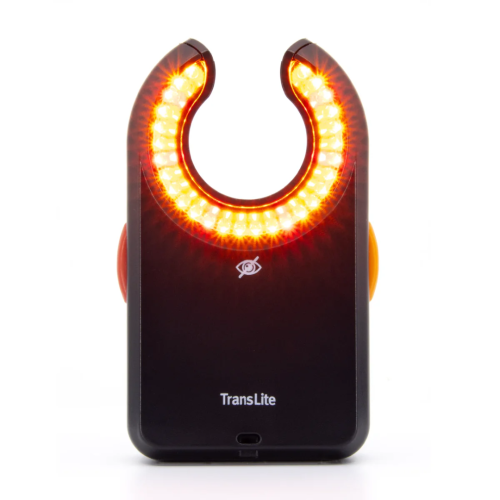
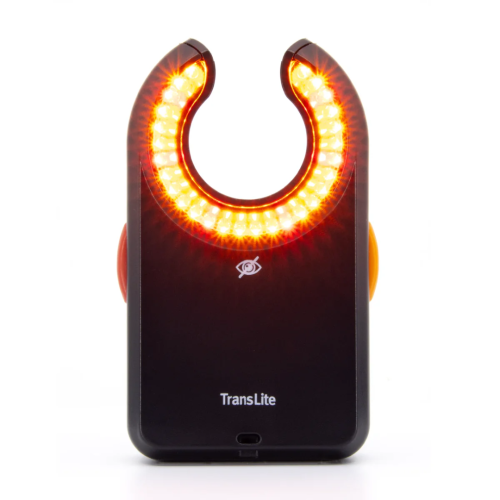
Veinlite LED+ Universal Vein Finder (201-VLED+)
The Veinlite LED+ is a versatile, high-performance option designed for everyday clinical use across a wide range of settings.
It is especially effective in:
- Medical clinics
- Hospitals
- Infusion centers
- Phlebotomy services
- Dental practices performing IV sedation
Key advantages include:
- 28 bright LEDs for strong illumination
- Rechargeable design for daily use
- Optimal illumination area for clear vein mapping
- Works across all patient types and skin tones
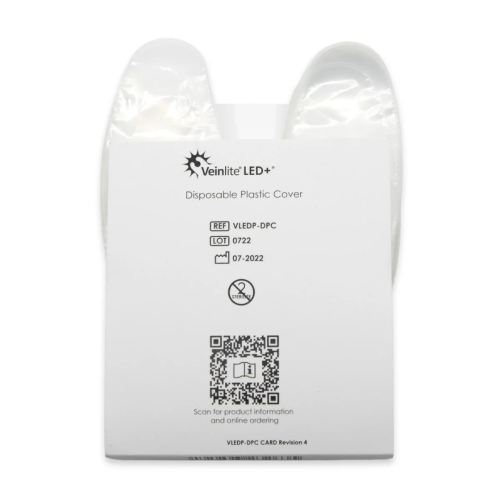
It is also designed to support infection control compliance with INS and CDC guidelines through the use of disposable covers, helping maintain a hygienic barrier between the device and each patient.
What sets it apart is its ability to not only improve visualization but also help reduce vein rolling during insertion. This makes it a reliable solution for improving first-attempt success rates in both routine and difficult cases.
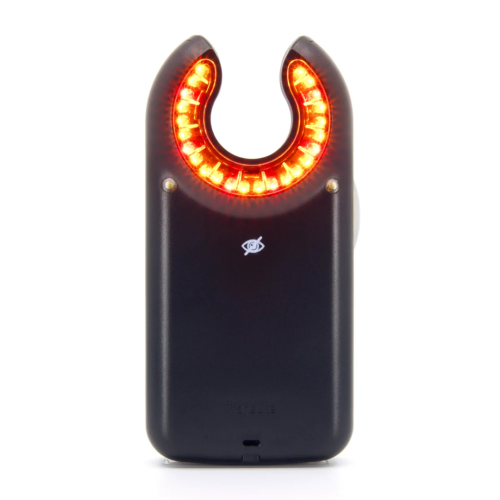
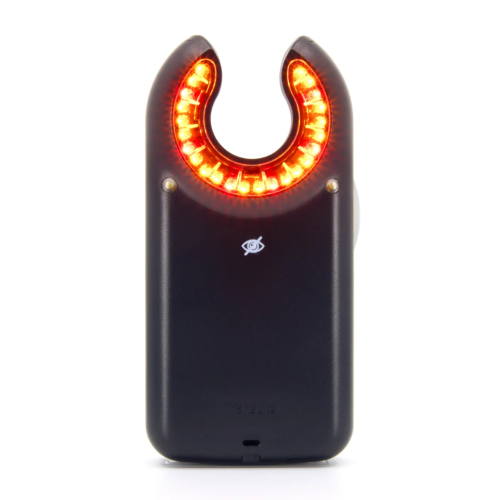
Veinlite EMS PRO Portable Vein Finder (201-VEMSPRO)
The EMS PRO is designed specifically for emergency and field-based care, where conditions are often unpredictable.
It is ideal for:
- EMS and paramedics
- Emergency departments
- Urgent care settings
- Remote or low-light environments
Key features include:
- 24 LED system for strong visibility
- Portable, battery-powered operation (2 AA batteries)
- Built-in white exam lite for added functionality
- Longer battery life for extended use
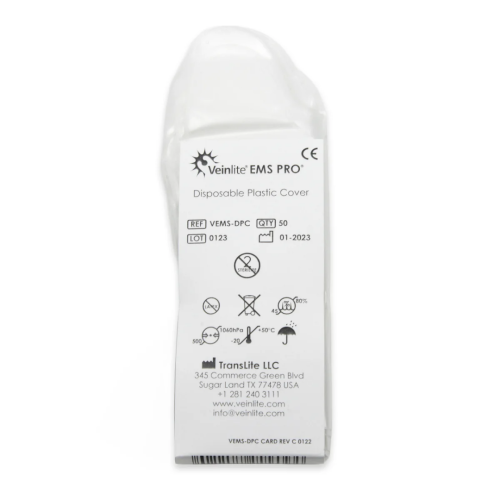
In addition to performance, it supports infection control best practices in high-turnover environments through the use of single-use disposable covers, which are critical in EMS settings where rapid patient turnover limits cleaning time.
Veinlite PEDI2 Pediatric Vein Finder (201-PEDI2)
The PEDI2 is specifically designed for pediatric patients, one of the most challenging groups for IV access.
It is commonly used in:
- Pediatric hospitals
- Emergency departments
- Family practices
- Specialty pediatric care settings
Key benefits include:
- Designed for ages 0-17
- One-handed, easy-to-use designed
- Optimized for small, delicate veins
- Helps reduce multiple failed attempts
Like other Veinlite devices, PEDI2 supports INS and CDC infection control compliance through disposable covers, helping protect vulnerable pediatric patients from cross-contamination. 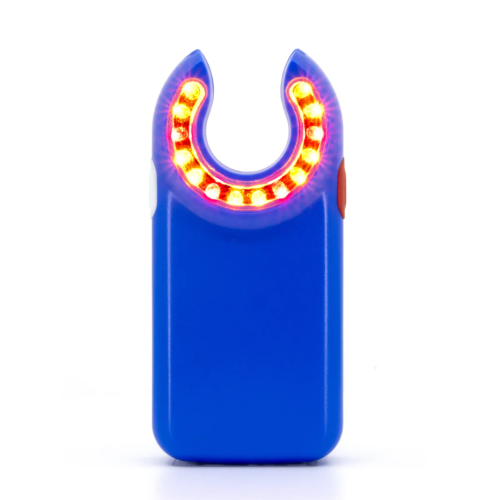
Choosing the Right Vein Finder for Your Setting
Selecting the right device depends on your clinical environment and patient population.
For general clinical use:
→ Best all-around option for versatility and consistency
For emergency and field use:
→ Designed for speed, portability, and low-light conditions
For pediatric care:
→ Optimized for children and difficult pediatric access
Across all settings, prioritizing tools that also support infection prevention protocols ensures safer, more compliant care.
Key Takeaways
Improving first-stick IV success rates does not require a complete overhaul; it starts with small, impactful changes.
Focus on:
- Strong clinical fundamentals
- Awareness of high-risk patients
- Better visualization of veins
- Reducing reliance on guesswork
- Using tools that support consistent success
Improve IV Access with the Right Tools
First-stick success is one of the most effective ways to improve both patient outcomes and clinical efficiency. Fewer failed attempts mean less pain, less anxiety, and a more confident care experience for everyone involved.
By combining strong technique, better visualization, and consistent infection control practices, healthcare providers can deliver safer, more effective care across all patient populations.
With tools like the Veinlite LED+ Universal Vein Finder, Veinlite EMS PRO Portable Vein Finder, and Veinlite PEDI2 Pediatric Vein Finder, healthcare providers can improve consistency while maintaining high standards of hygiene and compliance.
Explore Veinlite Vein Finders on SurgoMed to find the right solution for your clinical setting.
Frequently Asked Questions
What is a good first-stick IV success rate?
Industry benchmarks suggest experienced clinicians should achieve first-attempt IV success in 80–90% of routine cases. In difficult-access populations — pediatric, geriatric, or critically ill patients — rates may be lower without visualization tools. Tracking your facility's rate is the first step toward improving it.
Why do IV attempts fail on the first try?
Most first-attempt failures come down to vein visibility, patient anatomy, or technique. Rolling veins, deep veins in obese patients, dehydration, poor lighting, and insufficient stabilization are the most common causes. Identifying the root cause helps clinicians select the right intervention before the next attempt.
How can nurses improve first-stick IV success rates?
Focus on three areas: patient preparation (positioning, warming, hydration status), vein selection (straight segments, away from valves), and stabilization technique (distal traction to prevent rolling). For difficult cases, vein visualization devices like transillumination tools significantly improve first-attempt outcomes.
What patients are hardest to get IV access on?
Pediatric patients, elderly patients, those with obesity, chronic IV drug users, oncology patients with sclerosed veins, and severely dehydrated patients present the most consistent challenges. These populations benefit most from vein visualization technology and modified technique approaches.
Do vein finders actually improve IV success rates?
Yes, clinical evidence supports their use in difficult-access populations. Vein visualization devices help clinicians identify vein pathways, avoid valves and bifurcations, and reduce reliance on surface-only assessment. They are particularly effective in pediatric, emergency, and obese patient populations where traditional assessment is least reliable.
What are INS guidelines for IV insertion attempts?
The Infusion Nurses Society (INS) 2021 Standards of Practice recommend limiting the number of venipuncture attempts per clinician and using evidence-based adjuncts, including vein visualization technology, to reduce failed attempts. INS also mandates infection control measures, including the use of single-use covers on any device that contacts the patient's skin.
How does infection control relate to IV access?
Every failed IV attempt creates an additional skin breach, increasing infection risk. CDC guidelines emphasize that intravascular catheter-related infections are tied to insertion technique and the number of attempts. Using sterile technique, disposable device covers, and limiting attempts per INS standards directly reduces this risk.

First-stick IV success rates improve when clinicians combine proper technique, patient-specific awareness, and vein visualization tools. Key factors include vein selection, patient positioning, and recognizing high-risk populations — such as pediatric, geriatric, obese, and dehydrated patients — before the first attempt.
This guide covers the practical techniques, common failure points, and clinical tools that consistently improve first-attempt IV access across hospital, emergency, and specialty settings.
TL;DR
Quick Summary: Improving First-Stick IV Success
| Factor | What to Do |
| Technique | Position limb, stabilize vein, control insertion angle |
| Vein selection | Straight segments, avoid valves and bifurcations |
| High-risk patients | Pediatric, geriatric, obese, dehydrated, emergency |
| Visualization | Use LED vein finders to reduce guesswork |
| Infection control | Use disposable device covers per INS/CDC guidelines |
| Patient comfort | Communicate to reduce anxiety and sudden movement |
Bottom line: First-stick success is a skill-plus-tools problem. Technique sets the foundation; vein visualization technology closes the gap in difficult cases.
Why First-Stick IV Success Rates Matter
First-attempt success has a direct impact on both patient experience and clinical workflow.
From the patient’s perspective, a successful first stick means less pain, less anxiety, and a more positive overall experience. Patients often remember how many times they were poked, and that memory can shape their trust in both the provider and the facility.
From a workflow standpoint, first-stick success helps teams stay effective and focused. When IV access is achieved quickly, clinicians can move forward with care instead of repeating attempts or troubleshooting difficult access.
Key benefits of improving first-stick success include:
- Reduced patient discomfort and anxiety
- Faster initiation of treatment
- Improved patient satisfaction
- Better time management for clinical staff
- Increased confidence across the care team
What the Data Shows
The clinical and operational case for improving first-stick success is well supported:
- Research published in the Journal of Infusion Nursing has found that peripheral IV failure rates can reach 35–50% over a catheter's dwell time, with first-attempt failure being a primary driver of downstream complications including phlebitis, infiltration, and catheter restarts.
- A study in the Journal of Emergency Medicine found that vein visualization devices significantly improved first-attempt success rates in patients with difficult IV access, particularly in emergency department settings.
- The Infusion Nurses Society (INS) 2021 Infusion Therapy Standards of Practice recommends limiting venipuncture attempts and using evidence-based adjuncts, including vein visualization technology, to reduce failed attempts and associated patient harm.
- CDC guidelines on intravascular catheter-related infections emphasize that each additional insertion attempt increases infection risk, making first-stick success a patient safety issue, not just a comfort one.
Sources: Journal of Infusion Nursing, Journal of Emergency Medicine, INS 2021 Standards of Practice, CDC Guidelines for the Prevention of Intravascular Catheter-Related Infections
The Real Cost of Failed IV Attempts
Failed IV insertions affect more than just a single procedure; they impact the entire care process.
Each unsuccessful attempt takes time, uses additional supplies, and can create frustration for both patients and providers. In high-volume environments, these small delays can quickly add up.
The true cost includes:
- Time delays
-
- Repeated attempts slow down care
-
- Increased time per patient
-
- Reduced overall throughout
- Supply waste
-
- Extra IV catheters, gloves, and prep materials
-
- Increased sharps disposal
-
- Higher operational costs over time
- Staff impact
-
- Increased stress and frustration
-
- Reduced confidence in difficult cases
-
- Greater risk of burnout in fast-paced environments
Improving first-stick success is one of the simplest ways to improve both efficiency and team performance.
Why IV Attempts Fail, And What to Do About It
Failed IV access is rarely a simple skills gap. Most failed first attempts trace back to one of three root causes: patient anatomy, environmental conditions, or technique gaps. Understanding which is at play helps clinicians adjust their approach before the first stick.
Patient Anatomy Factors
These are largely outside the clinician's control but can be anticipated:
- Rolling or mobile veins — common in elderly patients with reduced connective tissue
- Deep veins — frequently seen in obese patients; not palpable by touch alone
- Fragile or sclerosed veins — result of repeated access, chemotherapy, or advanced age
- Reduced vein prominence — caused by dehydration, hypotension, or cold extremities
- Small or immature veins — the primary challenge in pediatric patients
Environmental and Situational Factors
These are controllable:
- Poor lighting that limits surface vein visibility
- Unsupported or poorly positioned limbs increasing patient movement
- Time pressure in emergency settings reducing preparation quality
- Patient anxiety causing vasoconstriction, which reduces vein diameter
Technique Factors
These are correctable with training and tools:
- Incorrect needle angle for the vein depth
- Insufficient vein stabilization allowing the vein to roll on insertion
- Choosing a site near a valve or bifurcation
- Rushing site selection rather than mapping the vein pathway first
Evidence-Based Technique Adjustments
Before reaching for advanced tools, these fundamentals have the strongest evidence base for improving first-stick success:
- Optimize patient positioning Support the limb fully. A dangling or unsupported arm increases vein mobility and patient movement. Keep the site at or slightly below heart level to encourage venous filling.
- Promote venous dilation Warm the insertion site for 10–15 minutes when time allows. Warmth causes vasodilation, making veins more prominent and easier to access. Mild exercise (opening and closing the fist) can also increase vein visibility.
- Map the vein before inserting Trace the vein pathway with a finger before committing to an insertion point. Identify the straightest segment, confirm there are no valves or bifurcations nearby, and choose an entry point that gives you a clear run.
- Stabilize —don't just hold Apply gentle distal traction with your non-dominant hand to anchor the vein. This reduces rolling during insertion, which is one of the most common causes of missed access.
- Communicate throughout Brief the patient before, during, and after. Anxious patients tense up and move. A calm, clear explanation of each step reduces unexpected movement and vasoconstriction.
Patient Population Most at Risk for Difficult IV Access
Some patients are consistently more difficult when it comes to IV access. Recognizing these groups ahead of time can help clinicians adjust their approach.
High-risk populations include:
- Pediatric patients
-
- Smaller, less visible veins
-
- Higher anxiety and movement
- Geriatric patients
-
- Fragile, rolling veins
-
- Thinner skin and reduced elasticity
- Obese patients
-
- Veins located deeper beneath the surface
- Dehydrated patients
-
- Reduced vein prominence
- Emergency patients
-
- Limited time
-
- Poor lighting and positioning
-
- Unstable or uncooperative conditions
In these cases, relying on traditional techniques alone can make success more difficult.
Practical Techniques to Improve First-Stick Success
Before introducing advanced tools, there are several simple techniques clinicians can use to improve outcomes right away.
Start by focusing on fundamentals:
- Position the patient properly
-
- Ensure the limb is supported and stable
-
- Keep the patient as relaxed as possible
- Improve vein visibility
-
- Use adequate lighting
-
- Consider warming the site if appropriate
- Select the best vein
-
- Look for straight, stable segments
-
- Avoid areas with valves or bifurcations
- Stabilize the vein
-
- Apply gentle traction
-
- Reduce rolling during insertion
- Communicate with the patient
-
- Help reduce anxiety and sudden movement
These techniques can significantly improve success rates, but they still depend on being able to clearly identify the vein.
How Vein Visualization Tools Improve First-Attempt Success
Vein visualization technology helps clinicians move beyond guesswork by making veins easier to see beneath the skin.
Instead of relying only on sight and touch, these tools allow providers to:
- Identify vein pathways more clearly
- Choose better insertion points
- Avoid problematic areas like valves or bifurcations
- Reduce the number of failed attempts
Veinlite LED+ Universal Vein Finder (201-VLED+)
The Veinlite LED+ is a versatile, high-performance option designed for everyday clinical use across a wide range of settings.
It is especially effective in:
- Medical clinics
- Hospitals
- Infusion centers
- Phlebotomy services
- Dental practices performing IV sedation
Key advantages include:
- 28 bright LEDs for strong illumination
- Rechargeable design for daily use
- Optimal illumination area for clear vein mapping
- Works across all patient types and skin tones
It is also designed to support infection control compliance with INS and CDC guidelines through the use of disposable covers, helping maintain a hygienic barrier between the device and each patient.
What sets it apart is its ability to not only improve visualization but also help reduce vein rolling during insertion. This makes it a reliable solution for improving first-attempt success rates in both routine and difficult cases.
Veinlite EMS PRO Portable Vein Finder (201-VEMSPRO)
The EMS PRO is designed specifically for emergency and field-based care, where conditions are often unpredictable.
It is ideal for:
- EMS and paramedics
- Emergency departments
- Urgent care settings
- Remote or low-light environments
Key features include:
- 24 LED system for strong visibility
- Portable, battery-powered operation (2 AA batteries)
- Built-in white exam lite for added functionality
- Longer battery life for extended use
In addition to performance, it supports infection control best practices in high-turnover environments through the use of single-use disposable covers, which are critical in EMS settings where rapid patient turnover limits cleaning time.
Veinlite PEDI2 Pediatric Vein Finder (201-PEDI2)
The PEDI2 is specifically designed for pediatric patients, one of the most challenging groups for IV access.
It is commonly used in:
- Pediatric hospitals
- Emergency departments
- Family practices
- Specialty pediatric care settings
Key benefits include:
- Designed for ages 0-17
- One-handed, easy-to-use designed
- Optimized for small, delicate veins
- Helps reduce multiple failed attempts
Like other Veinlite devices, PEDI2 supports INS and CDC infection control compliance through disposable covers, helping protect vulnerable pediatric patients from cross-contamination.
Choosing the Right Vein Finder for Your Setting
Selecting the right device depends on your clinical environment and patient population.
For general clinical use:
→ Best all-around option for versatility and consistency
For emergency and field use:
→ Designed for speed, portability, and low-light conditions
For pediatric care:
→ Optimized for children and difficult pediatric access
Across all settings, prioritizing tools that also support infection prevention protocols ensures safer, more compliant care.
Key Takeaways
Improving first-stick IV success rates does not require a complete overhaul; it starts with small, impactful changes.
Focus on:
- Strong clinical fundamentals
- Awareness of high-risk patients
- Better visualization of veins
- Reducing reliance on guesswork
- Using tools that support consistent success
Improve IV Access with the Right Tools
First-stick success is one of the most effective ways to improve both patient outcomes and clinical efficiency. Fewer failed attempts mean less pain, less anxiety, and a more confident care experience for everyone involved.
By combining strong technique, better visualization, and consistent infection control practices, healthcare providers can deliver safer, more effective care across all patient populations.
With tools like the Veinlite LED+ Universal Vein Finder, Veinlite EMS PRO Portable Vein Finder, and Veinlite PEDI2 Pediatric Vein Finder, healthcare providers can improve consistency while maintaining high standards of hygiene and compliance.
Explore Veinlite Vein Finders on SurgoMed to find the right solution for your clinical setting.
Frequently Asked Questions
What is a good first-stick IV success rate?
Industry benchmarks suggest experienced clinicians should achieve first-attempt IV success in 80–90% of routine cases. In difficult-access populations — pediatric, geriatric, or critically ill patients — rates may be lower without visualization tools. Tracking your facility's rate is the first step toward improving it.
Why do IV attempts fail on the first try?
Most first-attempt failures come down to vein visibility, patient anatomy, or technique. Rolling veins, deep veins in obese patients, dehydration, poor lighting, and insufficient stabilization are the most common causes. Identifying the root cause helps clinicians select the right intervention before the next attempt.
How can nurses improve first-stick IV success rates?
Focus on three areas: patient preparation (positioning, warming, hydration status), vein selection (straight segments, away from valves), and stabilization technique (distal traction to prevent rolling). For difficult cases, vein visualization devices like transillumination tools significantly improve first-attempt outcomes.
What patients are hardest to get IV access on?
Pediatric patients, elderly patients, those with obesity, chronic IV drug users, oncology patients with sclerosed veins, and severely dehydrated patients present the most consistent challenges. These populations benefit most from vein visualization technology and modified technique approaches.
Do vein finders actually improve IV success rates?
Yes, clinical evidence supports their use in difficult-access populations. Vein visualization devices help clinicians identify vein pathways, avoid valves and bifurcations, and reduce reliance on surface-only assessment. They are particularly effective in pediatric, emergency, and obese patient populations where traditional assessment is least reliable.
What are INS guidelines for IV insertion attempts?
The Infusion Nurses Society (INS) 2021 Standards of Practice recommend limiting the number of venipuncture attempts per clinician and using evidence-based adjuncts, including vein visualization technology, to reduce failed attempts. INS also mandates infection control measures, including the use of single-use covers on any device that contacts the patient's skin.
How does infection control relate to IV access?
Every failed IV attempt creates an additional skin breach, increasing infection risk. CDC guidelines emphasize that intravascular catheter-related infections are tied to insertion technique and the number of attempts. Using sterile technique, disposable device covers, and limiting attempts per INS standards directly reduces this risk.
