
Littmann Cardiology IV Satin Finish Tubing: Feel, Durability & Style

Why the new satin tubing is one of the most comfortable, stylish, and durable upgrades Littmann has ever released.

The Satin Finish Tubing Everyone Is Talking About
The Littmann Cardiology IV has long been valued for its acoustic performance and reliability. The recently introduced Satin Finish Tubing option adds a matte surface texture designed to improve comfort and aesthetics without changing acoustic performance.
For clinicians who prioritize how their stethoscope feels on the skin, drapes around the neck, and looks over time, satin tubing offers subtle but noticeable improvements compared to standard glossy tubing.
This guide explains what makes satin tubing different, how it compares to traditional tubing, and whether the upgrade is worth considering your needs.
What Is Satin Finish Tubing?
Satin Finish Tubing is an engineered tubing formula developed by Littmann that features:
- A matte, velvety surface texture (instead of glossy finish)
- Slightly softer and more flexible feel
- Reduced friction against skin, hair, and clothing
- Improved resistance to visible scratches and wear marks
The satin texture is inherent to the tubing material itself, not a coating applied on top, so it won't peel or flake off over time.
Available Colors
Currently, satin finish tubing for the Cardiology IV Stethoscope is offered in:
- Alabaster Satin
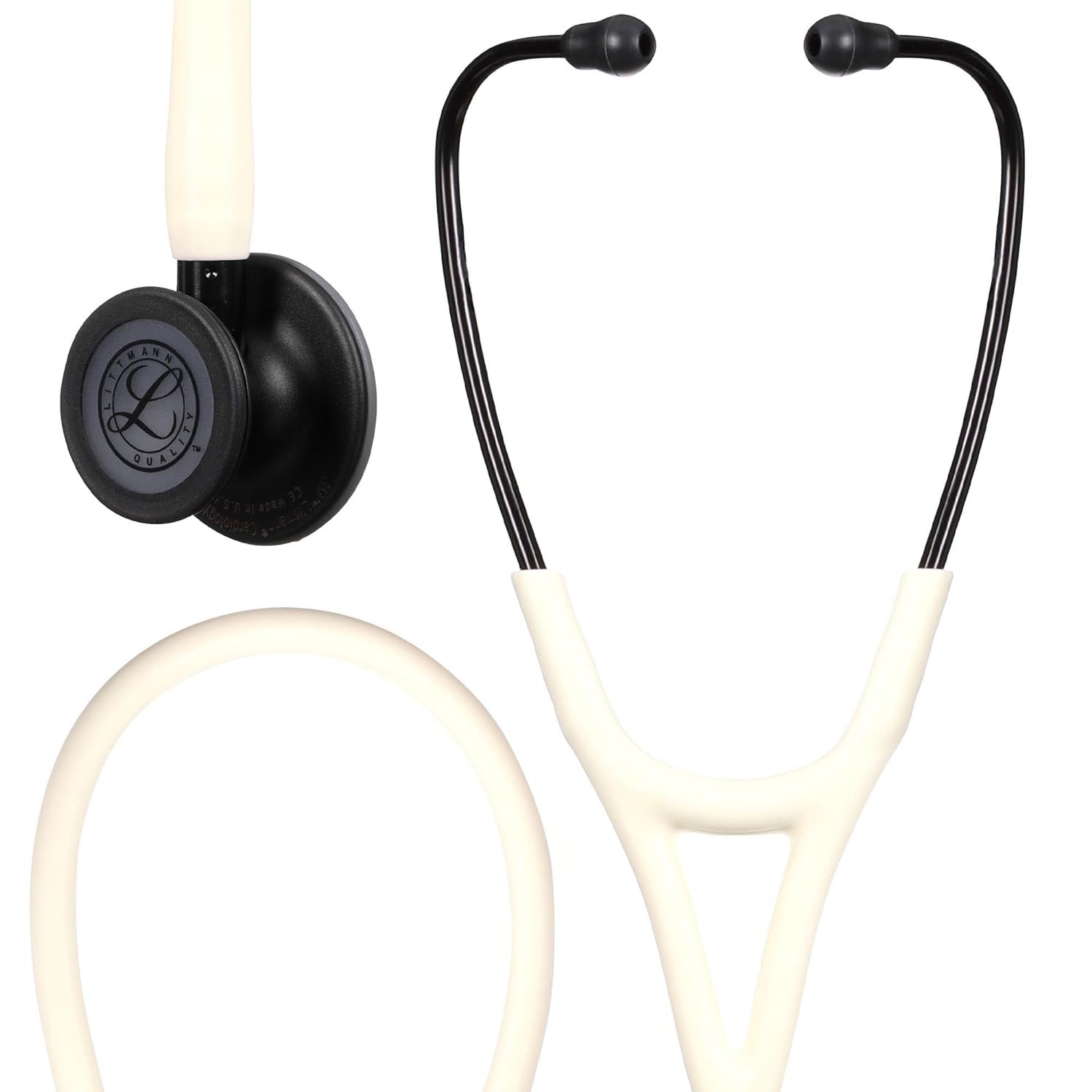
- Midnight Blue Satin

Satin Finish vs. Standard Tubing: What's Actually Different?
| Feature |
Standard Tubing |
Satin Finish Tubing |
| Surface Texture |
Glossy, smooth |
Matte, slightly textured |
| Feel on Skin |
Can stick in humid conditions |
Glides more smoothly |
| Flexibility |
Standard flexibility |
Slightly more flexible |
| Hair/Clothing Friction |
Can catch or pull |
Reduced friction |
| Visible Scratches |
Shows scratches easily |
Hides minor wear better |
| Appearance Over Time |
May show discoloration or gloss variation |
Maintains consistent look longer |
| Acoustic Performance |
Excellent |
Identical (no difference) |
| Price Difference |
Standard price |
Typically $10-20 more |
| Available Colors |
Wide range (10+ colors) |
Currently 2 colors only |
| Cleaning Requirements |
Standard |
Identical |
Bottom line: Satin tubing offers comfort and aesthetic improvements without changing acoustic performance. The difference is noticeable but not dramatic—most benefits are subjective (feel, appearance) rather than functional.
Comfort Improvements: What Actually Feels Different
The primary appeal of satin finish tubing is improved tactile comfort during clinical use.
Softer, More Flexible Feel
Satin tubing has a slightly softer, silk-like texture compared to standard glossy tubing. This provides:
- Less irritation during long shifts when draped around the neck
- More natural draping that conforms to body contours
- Better flexibility in cold environments where standard PVC tubing can stiffen
- Easier folding and storage for pocket or bag carry
The difference is most noticeable during extended wear (8-12+ hour shifts) rather than brief clinical encounters.
Reduced Friction with Hair and Clothing
Standard glossy tubing can sometimes grip or stick to:
- Loose hair (especially longer hair)
- Scrub tops and compression fabrics
- Skin in humid or sweaty conditions
- Jackets or lab coats
Satin tubing's matte surface glides more smoothly, reducing:
- Hair pulling and catching
- Fabric snagging
- Uncomfortable sticking sensation on neck/shoulders
- Need to constantly adjust positioning
Who benefits most: Clinicians with longer hair, those who wear stethoscopes around their necks frequently, and anyone working in hot or humid environments.
More Comfortable Neck Draping
Because satin tubing is slightly more flexible and has lower friction:
- Rests more naturally on shoulders without sliding
- Distributes weight more evenly across neck
- Feels less "present" during wear (you notice it less)
- Reduces neck and shoulder fatigue during long shifts
Realistic expectation: This is a subtle comfort improvement, not a transformation. If your current stethoscope feels uncomfortable, evaluate fit and weight first—tubing texture alone won't solve major comfort issues.
Durability & Appearance: What's Actually Different
Appearance Durability (Better)
The matte finish provides real advantages for maintaining appearance:
Hides minor wear better:
- Scratches and scuffs that would be obvious on glossy tubing are much less visible
- Doesn't show fingerprints or skin oils as readily
- Maintains consistent color appearance over time
- Less likely to show wear patterns or gloss variation from repeated folding
Resists visible debris:
- Dust and lint less noticeable on matte surface
- Doesn't show residue buildup as obviously
- Easier to keep looking clean between thorough cleanings
Maintains "new" appearance longer:
- Standard tubing can start looking worn after 6-12 months of heavy use
- Satin tubing typically maintains its original appearance for 18-24+ months
- Doesn't develop the "shiny wear spots" common with glossy tubing
Physical Durability (Same)
Important clarification: Satin tubing doesn't last longer than standard tubing—it just looks newer for longer.
Material strength is comparable:
- Same resistance to cracking, splitting, or material degradation
- No difference in expected lifespan under normal use (5-7+ years)
- Still requires same care to avoid damage from chemicals, heat, or sharp objects
- Not immune to punctures, tears, or excessive wear
Cleaning durability is identical:
- Can be cleaned with same methods (70% isopropyl alcohol, mild soap and water)
- Same chemical resistance as standard tubing
- No special cleaning requirements
- Maintains appearance well with regular disinfection
Honest assessment: If you're looking for tubing that physically lasts longer, satin finish won't provide that. If you want tubing that continues to look professional longer despite daily use, satin finish excels.
Acoustic Performance: No Difference from Standard Tubing
Short answer: Acoustic performance is identical between satin and standard tubing.
Both use the same:
- Dual-lumen design (two sound channels in one tube for superior acoustics)
- Tubing length and internal diameter
- Material composition for sound transmission
- Compatibility with tunable diaphragm technology
- Acoustic chamber design
You get the exact same:
- Superior low-frequency response (for S3, S4 gallops, diastolic murmurs)
- Outstanding high-frequency clarity (for crackles, wheezes, S1/S2 splitting)
- Noise reduction from internal lumen separation
- Full compatibility with both adult and pediatric sides
What this means: If you choose satin tubing, you're getting the exact same Cardiology IV acoustic quality you'd get with standard tubing. The only differences are tactile feel and appearance—not sound quality.
If acoustics are your priority: Either version performs identically. Choose based on comfort and style preferences, not sound quality expectations.
Who Should Choose the Satin Finish Tubing?
The satin finish is ideal for clinicians who value:
Comfort
Long shifts, frequent movement, and neck draping benefit from the soft, non-stick feel.
Style
If you want a modern, elevated aesthetic, satin tubing stands out.
Durability
The scratch-resistant, stain-resistant texture keeps the stethoscope looking newer.
Practicality
Flexible tubing making folding and storing easier during fast-paced clinical work.
.jpg)
Perfect for:
- Nurses (acute care, ICU, ER)
- Physicians & residents
- Respiratory therapists
- Medical & nursing students
- PAs & NPs
- Anyone who wears their stethoscope often
Caring for Satin Finish Tubing
Satin tubing requires the same care as standard Littmann tubing—no special treatment needed.
✓ Safe Cleaning Methods
After each patient use:
- 70% isopropyl alcohol wipes (most common and recommended)
- Mild soap and water for general cleaning
- Soft microfiber cloth to avoid scratching the surface
Frequency: Clean the diaphragm and tubing after each patient contact to maintain infection control standards.
❌ What to Avoid
- Hand sanitizer with moisturizers - Can degrade tubing material over time and cause stickiness
- Immersion in liquid - Stethoscope is not waterproof; excessive moisture can damage internal components
- Autoclaving or steam sterilization - Will melt or severely damage tubing
- Harsh chemical disinfectants - Bleach, hydrogen peroxide, or phenol-based cleaners can cause discoloration or material breakdown
- Excessive heat exposure - Don't leave in hot cars (can exceed 140°F/60°C in summer) or near radiators
- Direct contact with ink - Pens, permanent markers, and highlighters can stain permanently
- Petroleum-based products - Oils, lotions, and petroleum jelly can degrade tubing
Storage Recommendations
- Hang or lay flat when not in use - Avoid extremely tight coiling that can stress tubing
- Keep away from sharp objects that could puncture or cut tubing
- Store in protective case during transport to prevent damage in bags or backpacks
- Avoid prolonged sun exposure - UV radiation can gradually degrade material properties
- Store at room temperature when possible (extreme cold or heat affects flexibility)
Maintaining the Matte Appearance
If tubing becomes shiny from skin oils:
- Wipe with mild soap and water
- Dry thoroughly with soft cloth
- The matte texture will return once oils are removed
The satin finish won't peel or flake: The texture is inherent to the material, not a coating applied on top.
Expected Lifespan
With proper care, satin finish tubing should last 5-7+ years of regular clinical use—the same as standard tubing. The main difference is that satin tubing will maintain its professional appearance longer throughout that lifespan.
Quick Decision Guide
Choose Satin Tubing If:
Comfort during long shifts matters to you, you want a modern matte aesthetic, you have longer hair that catches on standard tubing, or you value maintaining a "like-new" appearance over years of use.
Choose Standard Tubing If:
You want more color options (10+ vs. 2), you're minimizing costs, you don't prioritize tactile differences in materials, or you primarily pocket-carry your stethoscope.
Both perform identically, this is purely about comfort and style preference.
Frequently Asked Questions
What is satin finish tubing on the Littmann Cardiology IV?
Satin finish tubing features a matte, textured surface instead of the traditional glossy finish. It's designed to feel softer on skin, reduce friction with hair and clothing, and maintain its appearance longer. The texture is inherent to the tubing material, not a coating.
How is satin finish tubing different from standard tubing?
The main differences are tactile and aesthetic: satin tubing has a matte texture that feels softer and slightly more flexible, doesn't stick to hair or scrubs as readily, and hides minor scratches better. Acoustic performance is identical—there's no difference in sound quality.
Does satin tubing improve comfort during long shifts?
Many clinicians report improved comfort, particularly if they wear the stethoscope around their neck frequently or have longer hair that catches on standard tubing. However, the difference is subtle—not everyone finds it significant. It's most noticeable during 8-12+ hour shifts.
Is satin tubing more durable than regular tubing?
The matte surface hides scratches and wear marks better than glossy tubing, making it look newer longer (often 18-24+ months vs. 6-12 months for standard). Physical durability—resistance to cracking, splitting, or material degradation—is comparable to standard tubing. Both last 5-7+ years with proper care.
Does satin tubing affect sound quality?
No. Acoustic performance is identical between satin and standard tubing. Both use the same dual-lumen design, tubing length, and materials. Choose based on comfort and appearance preferences, not sound quality expectations.
How much more does satin tubing cost?
Satin finish models typically cost $10-20 more than standard Cardiology IV stethoscopes. Whether this premium is worth it depends on how much you value comfort, aesthetics, and long-term appearance maintenance.
Can I clean satin tubing the same way as standard tubing?
Yes. Use 70% isopropyl alcohol wipes after each patient use, or mild soap and water for general cleaning. Avoid hand sanitizer, harsh chemicals, immersion in liquids, and heat exposure—the same precautions as standard tubing.
Does the satin finish wear off over time?
No. The satin texture is inherent to the tubing material, not a coating applied on top, so it won't peel or flake off. However, skin oils may temporarily reduce the matte effect in high-contact areas—simply wipe clean with soap and water to restore the appearance.
Can I replace my existing Cardiology IV tubing with satin tubing?
No. Tubing is not sold separately and is not user-replaceable. If you want satin tubing, you need to purchase a complete satin finish Cardiology IV stethoscope.
What colors are available in satin finish?
Currently only two: Alabaster Satin (off-white/cream) and Midnight Blue Satin (dark navy). If you want black, burgundy, smoke, raspberry, or other colors, you must choose standard glossy tubing.
Will satin tubing get harder or stiffer over time?
All PVC-based tubing naturally stiffens slightly with age and repeated use. Satin tubing follows the same pattern but may remain slightly more flexible than heavily-used standard tubing due to its specific formulation. Proper storage (avoiding extreme temperatures) helps maintain flexibility.
Is satin tubing better for people with sensitive skin?
The softer texture and reduced friction may be more comfortable for those with sensitive skin, particularly during extended wear. However, if you have latex allergies or specific material sensitivities, verify material composition with Littmann before purchasing—both satin and standard tubing use similar base materials.
Final Thoughts
The Littmann Cardiology IV Satin Finish Tubing combines all the acoustic excellence of the Cardiology IV with subtle but real improvements in comfort and appearance durability. It's not a revolutionary upgrade, but it's a thoughtful enhancement for clinicians who value tactile comfort and professional aesthetics.
If you're purchasing a new Cardiology IV and one of the two satin colors appeals to you, the modest price increase delivers noticeable benefits during daily use. If you're happy with your current stethoscope or prefer the wider color selection of standard tubing, you're not missing anything clinically essential.
Explore Littmann Cardiology IV stethoscopes—both satin and standard finishes—at SurgoMed to find the option that best matches your clinical needs and personal preferences.


Why the new satin tubing is one of the most comfortable, stylish, and durable upgrades Littmann has ever released.
The Satin Finish Tubing Everyone Is Talking About
The Littmann Cardiology IV has long been valued for its acoustic performance and reliability. The recently introduced Satin Finish Tubing option adds a matte surface texture designed to improve comfort and aesthetics without changing acoustic performance.
For clinicians who prioritize how their stethoscope feels on the skin, drapes around the neck, and looks over time, satin tubing offers subtle but noticeable improvements compared to standard glossy tubing.
This guide explains what makes satin tubing different, how it compares to traditional tubing, and whether the upgrade is worth considering your needs.
What Is Satin Finish Tubing?
Satin Finish Tubing is an engineered tubing formula developed by Littmann that features:
- A matte, velvety surface texture (instead of glossy finish)
- Slightly softer and more flexible feel
- Reduced friction against skin, hair, and clothing
- Improved resistance to visible scratches and wear marks
The satin texture is inherent to the tubing material itself, not a coating applied on top, so it won't peel or flake off over time.
Available Colors
Currently, satin finish tubing for the Cardiology IV Stethoscope is offered in:
- Alabaster Satin
- Midnight Blue Satin
Satin Finish vs. Standard Tubing: What's Actually Different?
| Feature |
Standard Tubing |
Satin Finish Tubing |
| Surface Texture |
Glossy, smooth |
Matte, slightly textured |
| Feel on Skin |
Can stick in humid conditions |
Glides more smoothly |
| Flexibility |
Standard flexibility |
Slightly more flexible |
| Hair/Clothing Friction |
Can catch or pull |
Reduced friction |
| Visible Scratches |
Shows scratches easily |
Hides minor wear better |
| Appearance Over Time |
May show discoloration or gloss variation |
Maintains consistent look longer |
| Acoustic Performance |
Excellent |
Identical (no difference) |
| Price Difference |
Standard price |
Typically $10-20 more |
| Available Colors |
Wide range (10+ colors) |
Currently 2 colors only |
| Cleaning Requirements |
Standard |
Identical |
Bottom line: Satin tubing offers comfort and aesthetic improvements without changing acoustic performance. The difference is noticeable but not dramatic—most benefits are subjective (feel, appearance) rather than functional.
Comfort Improvements: What Actually Feels Different
The primary appeal of satin finish tubing is improved tactile comfort during clinical use.
Softer, More Flexible Feel
Satin tubing has a slightly softer, silk-like texture compared to standard glossy tubing. This provides:
- Less irritation during long shifts when draped around the neck
- More natural draping that conforms to body contours
- Better flexibility in cold environments where standard PVC tubing can stiffen
- Easier folding and storage for pocket or bag carry
The difference is most noticeable during extended wear (8-12+ hour shifts) rather than brief clinical encounters.
Reduced Friction with Hair and Clothing
Standard glossy tubing can sometimes grip or stick to:
- Loose hair (especially longer hair)
- Scrub tops and compression fabrics
- Skin in humid or sweaty conditions
- Jackets or lab coats
Satin tubing's matte surface glides more smoothly, reducing:
- Hair pulling and catching
- Fabric snagging
- Uncomfortable sticking sensation on neck/shoulders
- Need to constantly adjust positioning
Who benefits most: Clinicians with longer hair, those who wear stethoscopes around their necks frequently, and anyone working in hot or humid environments.
More Comfortable Neck Draping
Because satin tubing is slightly more flexible and has lower friction:
- Rests more naturally on shoulders without sliding
- Distributes weight more evenly across neck
- Feels less "present" during wear (you notice it less)
- Reduces neck and shoulder fatigue during long shifts
Realistic expectation: This is a subtle comfort improvement, not a transformation. If your current stethoscope feels uncomfortable, evaluate fit and weight first—tubing texture alone won't solve major comfort issues.
Durability & Appearance: What's Actually Different
Appearance Durability (Better)
The matte finish provides real advantages for maintaining appearance:
Hides minor wear better:
- Scratches and scuffs that would be obvious on glossy tubing are much less visible
- Doesn't show fingerprints or skin oils as readily
- Maintains consistent color appearance over time
- Less likely to show wear patterns or gloss variation from repeated folding
Resists visible debris:
- Dust and lint less noticeable on matte surface
- Doesn't show residue buildup as obviously
- Easier to keep looking clean between thorough cleanings
Maintains "new" appearance longer:
- Standard tubing can start looking worn after 6-12 months of heavy use
- Satin tubing typically maintains its original appearance for 18-24+ months
- Doesn't develop the "shiny wear spots" common with glossy tubing
Physical Durability (Same)
Important clarification: Satin tubing doesn't last longer than standard tubing—it just looks newer for longer.
Material strength is comparable:
- Same resistance to cracking, splitting, or material degradation
- No difference in expected lifespan under normal use (5-7+ years)
- Still requires same care to avoid damage from chemicals, heat, or sharp objects
- Not immune to punctures, tears, or excessive wear
Cleaning durability is identical:
- Can be cleaned with same methods (70% isopropyl alcohol, mild soap and water)
- Same chemical resistance as standard tubing
- No special cleaning requirements
- Maintains appearance well with regular disinfection
Honest assessment: If you're looking for tubing that physically lasts longer, satin finish won't provide that. If you want tubing that continues to look professional longer despite daily use, satin finish excels.
Acoustic Performance: No Difference from Standard Tubing
Short answer: Acoustic performance is identical between satin and standard tubing.
Both use the same:
- Dual-lumen design (two sound channels in one tube for superior acoustics)
- Tubing length and internal diameter
- Material composition for sound transmission
- Compatibility with tunable diaphragm technology
- Acoustic chamber design
You get the exact same:
- Superior low-frequency response (for S3, S4 gallops, diastolic murmurs)
- Outstanding high-frequency clarity (for crackles, wheezes, S1/S2 splitting)
- Noise reduction from internal lumen separation
- Full compatibility with both adult and pediatric sides
What this means: If you choose satin tubing, you're getting the exact same Cardiology IV acoustic quality you'd get with standard tubing. The only differences are tactile feel and appearance—not sound quality.
If acoustics are your priority: Either version performs identically. Choose based on comfort and style preferences, not sound quality expectations.
Who Should Choose the Satin Finish Tubing?
The satin finish is ideal for clinicians who value:
Comfort
Long shifts, frequent movement, and neck draping benefit from the soft, non-stick feel.
Style
If you want a modern, elevated aesthetic, satin tubing stands out.
Durability
The scratch-resistant, stain-resistant texture keeps the stethoscope looking newer.
Practicality
Flexible tubing making folding and storing easier during fast-paced clinical work.
Perfect for:
- Nurses (acute care, ICU, ER)
- Physicians & residents
- Respiratory therapists
- Medical & nursing students
- PAs & NPs
- Anyone who wears their stethoscope often
Caring for Satin Finish Tubing
Satin tubing requires the same care as standard Littmann tubing—no special treatment needed.
✓ Safe Cleaning Methods
After each patient use:
- 70% isopropyl alcohol wipes (most common and recommended)
- Mild soap and water for general cleaning
- Soft microfiber cloth to avoid scratching the surface
Frequency: Clean the diaphragm and tubing after each patient contact to maintain infection control standards.
❌ What to Avoid
- Hand sanitizer with moisturizers - Can degrade tubing material over time and cause stickiness
- Immersion in liquid - Stethoscope is not waterproof; excessive moisture can damage internal components
- Autoclaving or steam sterilization - Will melt or severely damage tubing
- Harsh chemical disinfectants - Bleach, hydrogen peroxide, or phenol-based cleaners can cause discoloration or material breakdown
- Excessive heat exposure - Don't leave in hot cars (can exceed 140°F/60°C in summer) or near radiators
- Direct contact with ink - Pens, permanent markers, and highlighters can stain permanently
- Petroleum-based products - Oils, lotions, and petroleum jelly can degrade tubing
Storage Recommendations
- Hang or lay flat when not in use - Avoid extremely tight coiling that can stress tubing
- Keep away from sharp objects that could puncture or cut tubing
- Store in protective case during transport to prevent damage in bags or backpacks
- Avoid prolonged sun exposure - UV radiation can gradually degrade material properties
- Store at room temperature when possible (extreme cold or heat affects flexibility)
Maintaining the Matte Appearance
If tubing becomes shiny from skin oils:
- Wipe with mild soap and water
- Dry thoroughly with soft cloth
- The matte texture will return once oils are removed
The satin finish won't peel or flake: The texture is inherent to the material, not a coating applied on top.
Expected Lifespan
With proper care, satin finish tubing should last 5-7+ years of regular clinical use—the same as standard tubing. The main difference is that satin tubing will maintain its professional appearance longer throughout that lifespan.
Quick Decision Guide
Choose Satin Tubing If:
Comfort during long shifts matters to you, you want a modern matte aesthetic, you have longer hair that catches on standard tubing, or you value maintaining a "like-new" appearance over years of use.
Choose Standard Tubing If:
You want more color options (10+ vs. 2), you're minimizing costs, you don't prioritize tactile differences in materials, or you primarily pocket-carry your stethoscope.
Both perform identically, this is purely about comfort and style preference.
Frequently Asked Questions
What is satin finish tubing on the Littmann Cardiology IV?
Satin finish tubing features a matte, textured surface instead of the traditional glossy finish. It's designed to feel softer on skin, reduce friction with hair and clothing, and maintain its appearance longer. The texture is inherent to the tubing material, not a coating.
How is satin finish tubing different from standard tubing?
The main differences are tactile and aesthetic: satin tubing has a matte texture that feels softer and slightly more flexible, doesn't stick to hair or scrubs as readily, and hides minor scratches better. Acoustic performance is identical—there's no difference in sound quality.
Does satin tubing improve comfort during long shifts?
Many clinicians report improved comfort, particularly if they wear the stethoscope around their neck frequently or have longer hair that catches on standard tubing. However, the difference is subtle—not everyone finds it significant. It's most noticeable during 8-12+ hour shifts.
Is satin tubing more durable than regular tubing?
The matte surface hides scratches and wear marks better than glossy tubing, making it look newer longer (often 18-24+ months vs. 6-12 months for standard). Physical durability—resistance to cracking, splitting, or material degradation—is comparable to standard tubing. Both last 5-7+ years with proper care.
Does satin tubing affect sound quality?
No. Acoustic performance is identical between satin and standard tubing. Both use the same dual-lumen design, tubing length, and materials. Choose based on comfort and appearance preferences, not sound quality expectations.
How much more does satin tubing cost?
Satin finish models typically cost $10-20 more than standard Cardiology IV stethoscopes. Whether this premium is worth it depends on how much you value comfort, aesthetics, and long-term appearance maintenance.
Can I clean satin tubing the same way as standard tubing?
Yes. Use 70% isopropyl alcohol wipes after each patient use, or mild soap and water for general cleaning. Avoid hand sanitizer, harsh chemicals, immersion in liquids, and heat exposure—the same precautions as standard tubing.
Does the satin finish wear off over time?
No. The satin texture is inherent to the tubing material, not a coating applied on top, so it won't peel or flake off. However, skin oils may temporarily reduce the matte effect in high-contact areas—simply wipe clean with soap and water to restore the appearance.
Can I replace my existing Cardiology IV tubing with satin tubing?
No. Tubing is not sold separately and is not user-replaceable. If you want satin tubing, you need to purchase a complete satin finish Cardiology IV stethoscope.
What colors are available in satin finish?
Currently only two: Alabaster Satin (off-white/cream) and Midnight Blue Satin (dark navy). If you want black, burgundy, smoke, raspberry, or other colors, you must choose standard glossy tubing.
Will satin tubing get harder or stiffer over time?
All PVC-based tubing naturally stiffens slightly with age and repeated use. Satin tubing follows the same pattern but may remain slightly more flexible than heavily-used standard tubing due to its specific formulation. Proper storage (avoiding extreme temperatures) helps maintain flexibility.
Is satin tubing better for people with sensitive skin?
The softer texture and reduced friction may be more comfortable for those with sensitive skin, particularly during extended wear. However, if you have latex allergies or specific material sensitivities, verify material composition with Littmann before purchasing—both satin and standard tubing use similar base materials.
Final Thoughts
The Littmann Cardiology IV Satin Finish Tubing combines all the acoustic excellence of the Cardiology IV with subtle but real improvements in comfort and appearance durability. It's not a revolutionary upgrade, but it's a thoughtful enhancement for clinicians who value tactile comfort and professional aesthetics.
If you're purchasing a new Cardiology IV and one of the two satin colors appeals to you, the modest price increase delivers noticeable benefits during daily use. If you're happy with your current stethoscope or prefer the wider color selection of standard tubing, you're not missing anything clinically essential.
Explore Littmann Cardiology IV stethoscopes—both satin and standard finishes—at SurgoMed to find the option that best matches your clinical needs and personal preferences.
